Top 20 Records of 2025

Welcome to the year-end edition of the Paradise Found Records blog, It was our best year yet, and we greatly appreciate the support of our customers in the Front Range and Northern California. We love sharing good music with you, and there is nothing better than seeing your smiling faces! Record Store Day 2026 is on April 18 and we’re looking forward to more events and listening parties in the coming year. From the bottom of our hearts, thank you for your support and for making our jobs so much fun.

2025 was another great year for new music. The big story last year was Chappell Roan, whose late 2023 release The Rise and Fall of a Midwest Princess continues to sell well at both locations. The big music story this year was KPop Demon Hunters, an American-made Netflix movie that greatly expanded K-pop’s popularity across the globe. The film starred fictional K-pop girl group Huntr/x and became the most-watched film on Netflix and some of the most-streamed music on Spotify. If you’re unfamiliar with the music or movie, just ask someone born this century and they’ll bring you up to speed. There is a KPop Demon Hunters soundtrack album out on vinyl, but our biggest sellers in 2025 included Hayley Williams’ excellent Ego Death at a Bachelorette Party and, as always, Fleetwood Mac’s Rumours, a perennial favorite.

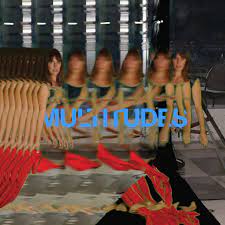
My two favorite albums of the year, by Jeff Tweedy and Geese, both came out on the same late September Friday. I’m tempted to crown the Geese album number one for its sheer brilliance and originality, but I think Jeff Tweedy’s ambition deserves to win out. Twilight Override is his best solo work, and its thirty songs are a salve for trying times.

Here are my top twenty records of the year (the top ten are listed in alpha order), including the five best archival releases.
Big Thief – Double Infinity

What do you do when an original member (bassist Max Oleartchik) departs after nine years? If you’re Big Thief you lean into the jammier style of songs like “Time Escaping” and “Love Love Love” from 2022’s superb Dragon New Warm Mountain I Believe in You.  Much of the credit for the appeal of Double Infinity goes to multi-instrumentalist Laraaji, whose zither, piano and percussion appear throughout along with distinctive vocals on “Words” and “Grandmother.” This may be a transitional phase for Big Thief, but even when not up to their high standards it’s still consistently satisfying. (Favorite track: “Words”)
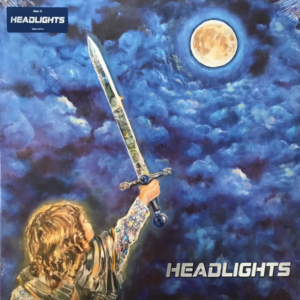


Alex G – Headlights

The tenth record from Alex Giannascoli aka (Sandy) Alex G aka Alex G’s is his first major-label release. The good news is he doesn’t stray from the formula of 2022’s excellent God Save The Animals other than dialing back on instrumental numbers. A true one-man-band, Giannascoli plays nearly every instrument here and varies between folk-rock and indie-rock with weird Auto-Tune and other vocal effects and found sounds mixed in to keep things interesting. He closes the record with its most rocking song, the rollicking “Logan Hotel,” recorded live with his touring band at the eponymous Philadelphia location. (Favorite track: “Afterlife”)
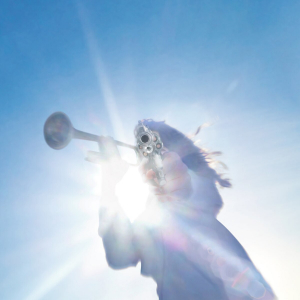


Geese – Getting Killed

The Brooklyn group’s fourth album is overstuffed, manic and wholly original. Lead singer Cameron Winter’s December 2024 solo effort was subdued, but here the group moves in the opposite direction, creating a hybrid of Talking Heads, Captain Beefheart and Radiohead that explodes off the turntable. Winter’s expressive voice soars above it all while guitarist Emily Green’s chiming guitars lead the songs towards powerful finishes. This is that rare album that sounds bizarre and off-putting at first–opening track “Trinidad” literally features Winter screaming “There’s a bomb in my car!”–but quickly worms its way into the brain and rewards repeated listening. (Favorite track: “Islands of Men”)
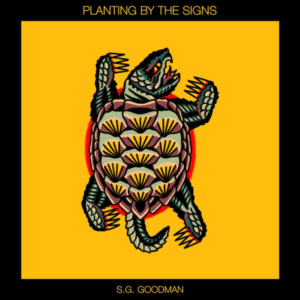
 

S.G. Goodman – Planting By The Signs

The title of S.G. Goodman’s third album refers to following nature’s cues. In Goodman’s case, those cues were learned in the hollers of southeast Kentucky where she grew up “living like the sun don’t shine on the same dog’s ass every day.” The record leads off with driving Americana before settling into pretty, sparse folk duets with Bonnie Prince Billy and Matthew Rowan. “Heaven Song” is my favorite closer of the year, a nine-minute, slow-building shaggy dog story that finds Goodman meandering through a life of love and loss in an old Chevy Malibu, ultimately concluding that a philosophy of “Maybe if I see it then I’ll want it” may be the closest she’s going to get to finding meaning. (Favorite track: “Heaven Song”)
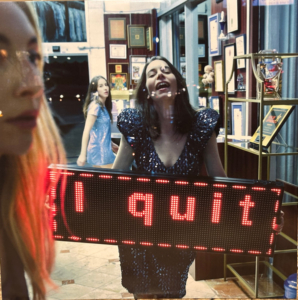
 

Haim – I Quit

Haim’s follow-up to 2020’s superb Women in Music Part III might not quite reach that album’s heights, but it still showcases the sisters’ ability to cover a lot of musical ground. First single and song-of-the-summer candidate “Relationships” features beat-heavy Queen Bey style while “Down to be Wrong” is an unabashed Tom Petty tribute. Whether she’s shredding on her electric guitar or singing confessional Americana, middle sister Danielle adds R&B to the sunny SoCal sentiments of her Laurel Canyon ancestors to create sumptuous sounds for the streaming generation. (Favorite track: “Down To Be Wrong”)
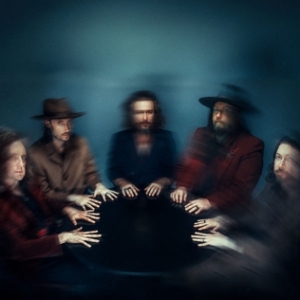


My Morning Jacket – Is

The tenth studio record from Jim James and company is their best since 2011’s Circuital, and the secret is the songs. Bringing in famed Pearl Jam/Bruce Springsteen producer Brendan O’Brien also works wonders. “Time Waited” and “Squid Ink” throwback respectively to their more soulful and anthemic aspirations, while “I Can Hear Your Love” and “Beginning at the Ending”  take the sound in a more concise pop direction. “Half a Lifetime” starts with a staccato structure before delivering a chorus for the ages. It’s always refreshing when a band finds a new gear this far into its career. (Favorite track: “Half a Lifetime”)
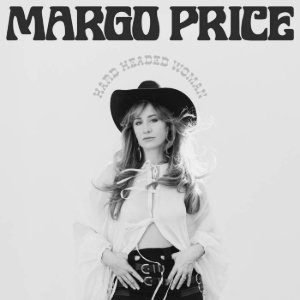
 

Margo Price – Hard Headed Woman

After the psychedelics-fueled rock of 2023’s Strays, Margo Price returns to her alt-country roots on an excellent fifth record. Whether she’s quoting Kris Kristofferson in “Don’t Let the Bastards Get You Down” or spinning Paul Simon’s “Still Crazy After All These Years” into the Nashville pop of “Love Me Like You Used to Do” with vocal help from Tyler Childers, Price has a knack for memorable melodies and wears her Nashville outlaw country badge like a pair of comfy slippers. Price’s powerful live shows have helped her build a steady fan base; she’s way overdue to break through in 2026. (Favorite track: “Don’t Let the Bastards Get You Down.”)
 

Snocaps – Snocaps

In late October this infectious debut from an Americana supergroup dropped with no advance notice. Snocaps members include Katie Crutchfield (aka Waxahatchee) and MJ Lenderman (the Wednesday guitarist member who’s solo Manning Fireworks was one of 2024’s best albums) along with Crutchfield’s twin sister Alison and Brad Cook. The songs are more indie-rock than what you might expect–imagine the Breeders with a bit of a country disposition–and bring the Crutchfield sisters together for the first time since they played together as P.S. Eliot last decade. Lenderman’s contributions recall the Byrds more than the Neil Young vibe of his other work. The end result is a wonderful, unexpected treat. (Favorite track: “Heathcliff”)
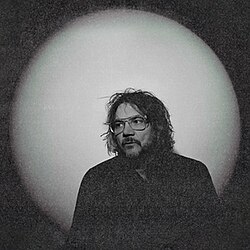
 

Jeff Tweedy – Twilight Override

The Wilco front man’s latest is an impressive 3-LP, thirty-song attempt to raise spirits through art. Whether he’s encouraging listeners in “Feel Free,” joking about a miserable prom in “Forever Never Ends,” embracing small joys in “One Tiny Flower” or paying tribute to the Velvet Underground in “Lou Reed Was My Babysitter,” his passion, humor and dedication shine throughout. Simultaneously ambitious and simple, the record is a heartwarming gift. “Amar Bharati” may be a tribute to the Indian ascetic who has kept his arm raised in devotion for fifty-plus years, but it’s just as easily a metaphor for Tweedy’s unceasing determination to make creating art his raison d’etre. Deeply personal, Twilight Override goes places Wilco hasn’t gone, no small feat. (Favorite track: “Amar Bharati”)
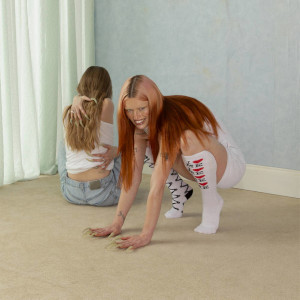
Wet Leg – Moisturizer

The Isle of Wight’s Rhian Teasdale and Hester Chambers burst on the scene in 2021 with two slices of indie-rock heaven, “Chaise Lounge” and “Wet Dream.” Their ensuing debut album maintained that energy and confirmed them as legit. Moisturizer impressively takes things up a notch. Now fully embracing music as a career, they’ve also declared themselves a band and not a duo, boosting the fellow musicians who contributed to the debut. Together they craft unique earworms that showcase their sense of humor and skill at creating irresistible hooks. (Favorite track: “Davina McCall”


(Next 5: Matt Berninger — Get Sunk; Car Seat Headrest — The Scholars; Lucy Dacus — Forever is a Feeling; Mavis Staples — Sad and Beautiful World; Wednesday — Bleeds)

Five Best Archival Releases
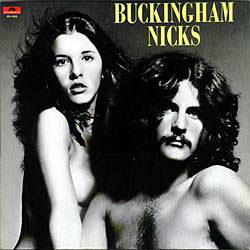
Buckingham Nicks – Buckingham Nicks

In 1973 Lindsey Buckingham and Stevie Nicks worked with producer Keith Olsen on an impressive debut of Southern California folk-rock. Olsen famously played the album for Mick Fleetwood, who was in LA shopping for a new front man, and the rest is history. The LP has been out-of-print since its original release and has become a grail over the following decades. In September the pair finally put their acrimony aside long enough to coordinate on a repressing so that it’s finally reasonably priced and easily found. It’s required listening for Rumours and Fleetwood Mac fans; you can hear the seeds of “The Chain” in “Lola (My Love)” and of “Second Hand News” in “Don’t Let Me Down Again.” The LP also includes an early version of “Crystal,” later reworked on Fleetwood Mac. (Favorite track: “Don’t Let Me Down Again”)
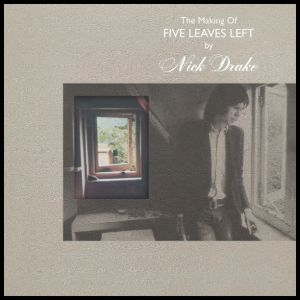
Nick Drake – The Making of Five Leaves Left

Nick Drake died in 1974 after only three records of highly distinctive folk. It wasn’t until twenty-five years later, after “Pink Moon” was used in an Apple ad, that his music found the audience it deserved. Notoriously shy, Drake only played a handful of shows and fans have since grabbed onto any available archival material. This box contains a treasure trove of recordings from his 1969 debut, including reels discovered in the collection of folk peer Beverly Martyn. Not everything here is a revelation, but it’s still powerful and stirring to hear Drake develop songs including “Time Has Told Me,” “Man in a Shed” and “River Man” into the shape that would make them folk standards. (Favorite track: “River Man” Take 1, 4th January 1969)
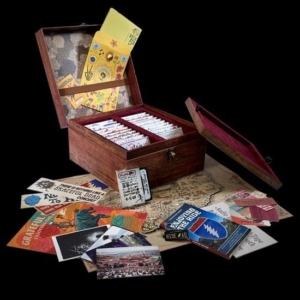
 

Grateful Dead – Enjoying The Ride

How does a group that’s released more archival material than any other musical act in history celebrate its sixtieth anniversary? If you’re the Grateful Dead it’s with a 60-CD (and one cassette) behemoth that includes all or parts of twenty-nine shows spanning 1969-1994 from twenty-one of their favorite venues (including Red Rocks, of course). With a $600 price tag and a limited run of 6,000–which sold out within weeks–this one was only for the most hardcore heads, but props to the Dead for finding a way to top their many prior boxes. Start saving now for 2035’s 70th anniversary release. (Favorite track: “Hard to Handle” Live at Fillmore East, New York, NY 4/25/71)
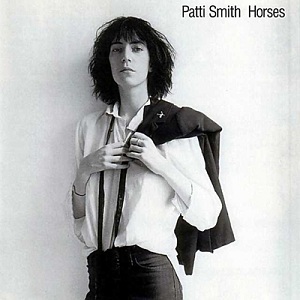


Patti Smith – Horses (50th anniversary edition)

Patti Smith and Debbie Harry were the only female bandleaders to emerge from the mid-seventies New York scene; Smith incorporated poetry from the beginning and has more recently become an excellent author, as evidenced by the three books she’s released in the past decade and a fourth, Bread of Angels, that came out in November. The 50th anniversary edition of her beloved debut comes with many previously unreleased delights including her original demo tape and a great take of Smokey Robinson’s classic “When The Hunter Gets Captured By The Game.” (Favorite track: “When The Hunter Gets Captured By The Game”)
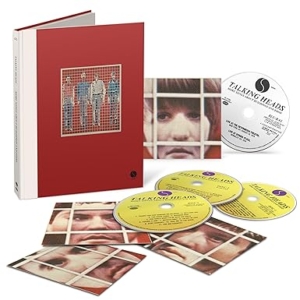
 

Talking Heads – More Songs About Buildings and Food

The sophomore Talking Heads effort was their first with Brian Eno as producer. Together they went on to produce some of the best and most influential music to come out of the New Wave movement born at CBGB in Manhattan’s East Village. The deluxe box includes a number of interesting outtakes and a live 1978 New York show, but the real treat is a DVD of 1978 concert footage from New York and Berkeley (only available in the CD edition). Stop Making Sense may have shown the group at their peak, but the trademark nervous energy on display herein is a slice of heaven for anyone looking to witness the roots of one of the most important American acts ever. Be advised, the Berkeley footage is not high quality but still very much worth checking out. (Favorite track: “Found a Job” Live at the Entermedia Theatre, New York, NY 8/10/78)
In Celebration of Neil’s 80th Birthday: His Ten Best Records

No other rock musician has been more prolific over the past sixty years than Neil Young, who turns eighty in November. Young has put out forty-three studio albums since 1968 in addition to being a part of Buffalo Springfield, Crosby, Stills, Nash and Young, and the Stills-Young Band. He’s also released eleven live albums and offered deep dives into his vault via three 10+ CD Archives boxes that only go through 1987. Famous for a “first take is the best take” approach and a dedication to following his muse regardless of the damage left in its wake, Young has used numerous backing bands. Crazy Horse is the best-known, but Young has also recorded with Booker T and the MGs, Pearl Jam, the Trans Band, Promise of the Real, and most recently the Chrome Hearts.

To describe Young’s output as intimidating is an understatement. I’ve devoted two blogs in the past to his buried treasures. To honor a musician who’s surely earned a spot on the Mount Rushmore of classic rock, here are his ten best studio releases in reverse order.

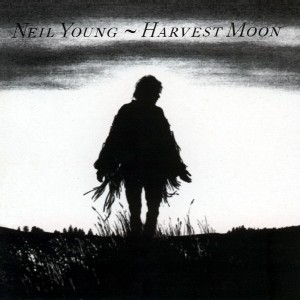
10) Harvest Moon (1992)

Love him or hate him, Neil Young’s aversion to standing still can be frustrating for fans and fellow musicians; in 1975 he abandoned the only Stills-Young Band tour halfway through because he wasn’t feeling it. In the early nineties he pivoted away from the grunge movement he helped spawn to return to his folk roots with this collection of softer numbers. Bringing back Linda Ronstadt, James Taylor and Nicolette Larson for vocal support for the first time in over a decade, Harvest Moon helped him reconnect with fans scared off by years of extended, often distortion-drenched material. The album welcomes like a warm embrace born from hard-won experience: opener “Unknown Legend” paints lost youth in mythical terms, “From Hank to Hendrix” grasps at the embers in the last days of a long-term companionship, and the title track might just be the most inviting song he’s penned, an elegant waltz celebrating deep love and romance.

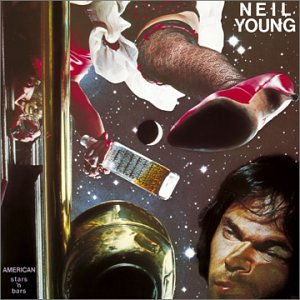
9) American Stars N’ Bars (1977)

Young’s penchant for changing his mind mid-production has resulted in many LPs cobbled together from disparate sessions and parts, and he has abandoned countless albums. His decision to not put out Homegrown was so last-minute that it famously required buying back copies that were ready to be shipped to stores (he ultimately released the album in 2020). American Stars n’ Bars, whose cover was designed by actor Dean Stockwell, is the best example of this approach to making records. Side one contains deliberately sloppy but infectious tracks like “Hold Back The Tears” and “Bite the Bullet” with backing vocals by Linda Ronstadt and Nicolette Larson, and “Saddle Up The Palomino” starts with Ronstadt’s laughter. Side two features “Like a Hurricane,” one of his most beloved songs, alongside the beautiful if brief “Star of Bethlehem” with harmony by Emmylou Harris. It also includes “Will to Love,”  perhaps the weirdest thing he’s ever recorded, which equates the search for love and meaning with a fish struggling upstream sung to a crackling fireplace. Whether the track succeeds or not is debatable, but it’s certainly unforgettable.

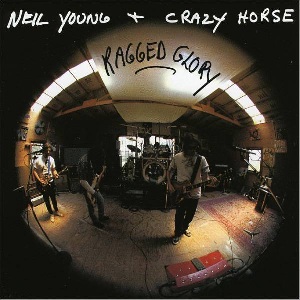
8) Ragged Glory (1990)

Young embraced a grunge ethos early on in his career; “Cinnamon Girl” might be the first grunge song, and a garage-focused spirit has always been intrinsic to his harder rock. His well-deserved rep as the Godfather of Grunge dates largely to Ragged Glory and Freedom, the 1989 album that preceded it, both featuring Crazy Horse. Nirvana and likeminded Seattle artists exploded in the years immediately after the two LPs, and Kurt Cobain, Eddie Vedder and others credited Young with inspiration. After wandering through a musical desert in the eighties with a number of failed genre exercises, he rediscovered his original drive here. “F*!#in’ Up,” “Love to Burn” and “Love and Only Love” feature shredding, barbed guitar solos, while “Mansion on the Hill” marries psychedelic optimism to grunge’s metal urgency.

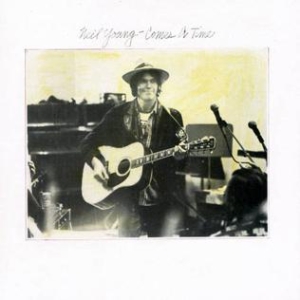
7) Comes a Time (1978)

Neil’s music is easily categorized as hard or soft. In the case of Rust Never Sleeps, he literally divides the album in half with acoustic songs on one side and rocking numbers on the other. Like Harvest Moon, Comes a Time stands apart from most of his discography in its presentation of nothing but the folk side (with one exception, “Motorcycle Mama”). It works because it includes some of his best material and the harmonies of frequent late seventies contributor Nicolette Larson, who had her biggest hit with a cover of its “Lotta Love.” From wistful opener “Goin’ Back” through the evocative longing of “Peace of Mind” to the singalong title track and the nostalgic departing sentiment of closer “Four Strong Winds,” this album is a home run if you prefer Neil’s gentler sound.

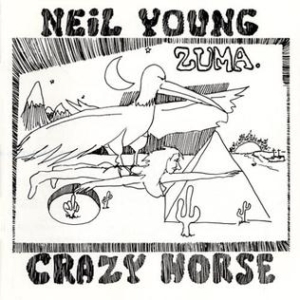
6) Zuma (1975)

Young’s first post-Ditch-Trilogy release reunites him with Crazy Horse and finds him slightly more accessible, although the darkness is always just a shot away. His more tender side is reflected in “Pardon My Heart” and “Through My Sails,” the latter with harmonies by Crosby, Stills and Nash, although “Drive Back” hints at the punk fury to come in Rust Never Sleeps. The album’s highlights are the long, slow jams of “Danger Bird” and “Cortez the Killer.” The latter quickly became a crowd favorite as it recalled the extended improvisational spirit of “Down By The River” alongside iconic lyrics that romanticize the Aztec civilization as it thrived before the Cortes armada wreaked death and destruction in the sixteenth century.

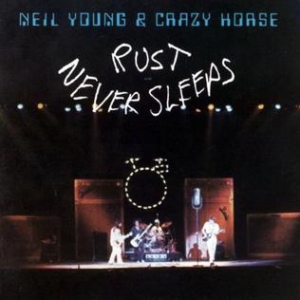
5) Rust Never Sleeps (1979) 

By the late seventies punk and new wave ruled the airwaves. Young’s timely response was this half-acoustic, half-electric record that tapped into punk’s popularity while still containing some of his prettiest folk compositions. “Thrasher” is one of Neil’s most personal songs with its confession of his motivation for leaving others in the lurch in pursuit of his muse. “Pocahontas” describes man’s departure from nature and the resulting loss, while “Sail Away” is a touching love song. The electric side kicks off with arguably Neil’s finest hour, “Powderfinger,” a tale of a young man painfully discovering the horrors of war that includes the classic phrase “Numbers add up to nothing.” Elsewhere he sews the seeds of his Godfather of Grunge status with the loud, angry “Sedan Delivery” and “Welfare Mothers” before concluding with the epic “My My, Hey Hey (Into the Black)” featuring one of his best-known lyrics, “It’s better to burn out than to fade away.” 

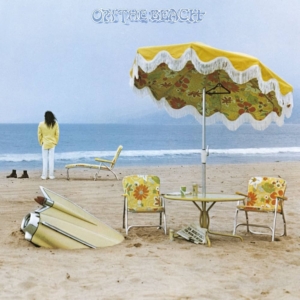
4) On The Beach (1974)

Neil Young’s response to the stardom that resulted from Harvest was his “Ditch Trilogy” of Time Fades Away, Tonight’s The Night and On The Beach, so-called because he claimed to be deliberately driving his notoriety into the ditch. The third album is the best and most inviting of the three. Kicking off with the minor hit “Walk On,” the first half features the keyboard- and pedal-steel-centered “See The Sky About to Rain,” the stripped-down banjo of “For The Turnstiles” and the driving “Revolution Blues.” The second half takes a more meditative turn with the deep blues of the title track followed by “Motion Pictures,” an elegy to then-wife actress Carrie Snodgrass, and the nine-minute-long, mostly solo “Ambulance Blues.” The title track contains one of my favorite Neil lines: “Though my problems are meaningless, that don’t make them go away.”

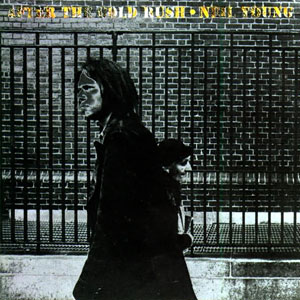
3) After the Gold Rush (1970)

Young’s third album eschewed the longer jams of Everybody Knows This is Nowhere; its longest and best-known track, “Southern Man,” clocks in at only six minutes. Instead it focuses more on the lush harmonies Young was exploring with Crosby, Stills, Nash and Young, even if only Stills from that group contributes here. “Tell Me Why,” “Birds” and “I Believe in You” all would’ve fit comfortably on any CSNY release. The record also include three meta Young tracks that marry his sadder instincts to that high, mournful tenor: “Only Love Can Break Your Heart,” “Don’t Let it Bring You Down” and a cover of Don Gibson’s country hit “Oh Lonesome Me.” By turns angry, sad and hopeful, After the Gold Rush helped Young find a wider audience even as it leaned into elements that led detractors to describe him as relentlessly depressing.

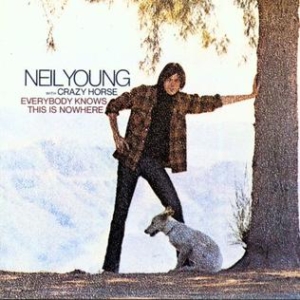
2) Everybody Knows This is Nowhere (1969)
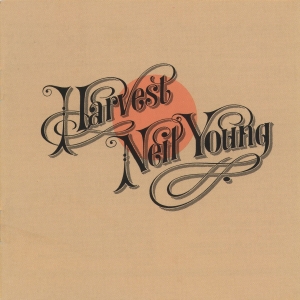
By the time Young’s sophomore album came out, he had already achieved stardom through Buffalo Springfield. His eponymous debut is a logical extension of his Springfield work, but it is Everybody Knows This is Nowhere where he demonstrates surprising new range and the more improvisational aesthetic that would fuel his best work. “Down By The River” and “Cowgirl in the Sand”–two nine-plus minute tracks with extended, spirited guitar shredding–were both composed the same day as opener “Cinnamon Girl,” when he was tapping into a creative streak spurred by a 103 degree fever. The album also has its mellower side in the heartbreak of “The Losing End (When You’re On)” and the haunting “Round and Round (It Won’t Be Long).” 

1) Harvest (1972)

Picking a single Young record to start with implicitly means missing much of his style. But if you must, Harvest, his bestselling effort, is the place to start. It features two of his biggest hits, “Heart of Gold” and “Old Man,” and a lot more: the freeform jamming of “Words (Between the Lines of Age),” Ben Keith’s evocative pedal-steel guitar on opener “Out on the Weekend,” and the interesting if not entirely successful orchestral productions “A Man Needs a Maid” and “There’s a World.” Add the country stomp of “Are You Ready for the Country,” the angry, rocking indictment of “Alabama” and the junkie lament “The Needle (and the Damage Done),” and you have the single greatest collection of Young songs. James Taylor adds banjo and stellar backing vocals with Linda Ronstadt to “Old Man,” a surprisingly mature sentiment from the then-twenty-four-year-old Young.

The Next 5:

11) Tonight’s the Night (1975)

12) Greendale (2003)

13) Sleeps with Angels (1994)

14) Mirror Ball (1995)

15) Silver & Gold (2000)

Grateful Dead Studio Albums From Worst to First

2025 marks the sixtieth anniversary of the formation of the Grateful Dead, an American musical institution still thriving all these years later. Dead and Company, featuring original members Bob Weir and Mickey Hart, just finished an extended run at The Sphere in Las Vegas. Bill Kreutzmann, the only other surviving original member, still gigs occasionally in Hawaii (where’s he’s retired) with Billy and the Kids. Boulder has always been Deadhead Central; we may not have the most fans by volume, but we’ve been number one in Deadheads per capita for a long time.

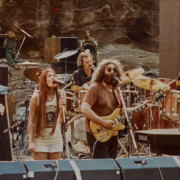
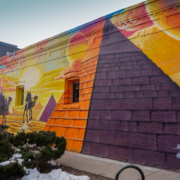
The Dead are marking the feat with Enjoying The Ride, a sixty-CD collection that includes twenty-five shows from some of their favorite venues (including Red Rocks, pictured above). There is also a smaller box set of excerpts, The Music Never Stopped, out in 6LP and 3CD formats. And Dead and Company is playing three sold-out Golden Gate Park concerts in August for (natch) 60,000 fans per night. 

So what is it about the Dead that makes them arguably the most successful American musical act of the last sixty years? Few artists have spawned more cover acts or been honored more. Last December the band was recognized at The Kennedy Center Honors, followed in January by a MusiCares tribute over Grammy weekend. Jam bands and non-jam bands cover their material and there have been numerous tribute albums. The stereotypical view of their music may be acid-fueled exploratory jams just as the stereotypical view of their fans may be long hair, but neither fully reflects what’s made the group the leading icons of the sixties counterculture.

When examined en masse, it’s easy to see an obvious thread running through their studio oeuvre: a consistent struggle to translate the group’s concert magic into a representative sound within the confines of a production setting. The Dead’s most unique skill was their ability to form a hive mind through improvisational jamming wherein the different components weaved in and out of each other to create an unique hybrid of jazz and rock. Perhaps it’s not surprising that Grateful Dead studio releases more often than not failed to achieve the liftoff accomplished when the members were clicking onstage.

To help newbies navigate a large and intimidating discography, here are their studio albums ranked from worst to first.

Built to Last (1989)

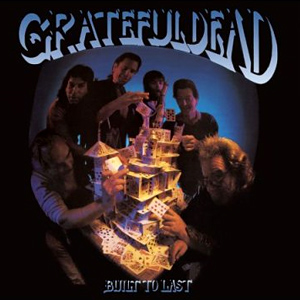
In the wake of Jerry Garcia’s near-death in 1986, the Dead experienced a huge boost in popularity, fueled by the huge commercial success of “Touch of Grey.” Suddenly the band filled stadiums with newbies cynically called “Touchheads” by Deadheads. So how did they follow up this long-awaited commercial success? Curiously, by making a record in which they greatly minimized intraband interaction. Built to Last was created largely by having the members exchange parts, each adding their contributions one at a time; maybe they thought this was cutting edge? They also opted to let keyboardist Brent Mydland–who would be dead from a drug overdose within a year–contribute four songs. And while two of those compositions, ”Just a Little Light” and “Blow Away,” are his strongest, the album still bombed. Like their performance at Woodstock, which included an abbreviated “St. Stephen” and a forty-minute “Turn On Your Lovelight,” Built to Last is notable primarily as an example of the group failing to take advantage of a huge opportunity to make an impression.

Go To Heaven (1980)

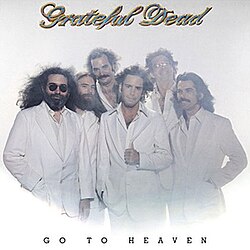
Go To Heaven features many tracks that became an essential part of the Dead’s eighties musical repertoire. Its horrific cover was inspired (I believe) by a lethal combination of disco, cocaine (the drug of choice at the time) and a failed attempt to be punny. Along with two soft-rock efforts by then-new keyboardist Mydland, the production wrings the life out of every song. “Don’t Ease Me In” dispenses with jamming in the hope of achieving radio play while “Lost Sailor,” a song highly reminiscent of  earlier Bob Weir composition “Looks Like Rain,” features a protagonist too easily imagined as one of the group’s more drug-addled fans. But the absolute low point is “Feel Like a Stranger,” an R&B song that sounds like the Average White Band on quaaludes with an abrupt ending that doesn’t come nearly soon enough. How something so good live could be rendered so insipid in the studio is no small achievement. 

Shakedown Street (1978)

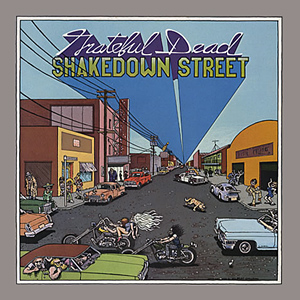
Featuring a classic cover by underground comic artist Gilbert Shelton of Fabulous Furry Freak Brothers fame, the last Dead album of the seventies was produced by Little Feat founder Lowell George. To aid in the continued search for commercial success, George watered down much of the material and substituted polish for heart. Opener “Good Lovin’” abandons the lengthy blues presentation from when Pigpen sang it for a radio-friendly gait closer to The Young Rascals hit (which was itself copied from The Olympics’ arrangement of the original single by Lemme B. Good). “Fire on the Mountain,” which usually lasted ten-plus minutes live, is squeezed into four minutes. The title track might’ve become an anthem in concert, but here it’s sped up in an attempt to capitalize on the disco fad. The remake of “Minglewood Blues” pales next to the high energy of the cover from the group’s debut, and album closer “If I Had the World to Give” is one of Garcia/Hunter’s weaker ballads and was only performed live three times. As is the case with so many Dead studio albums, Shakedown Street casts strong material in a weak light.

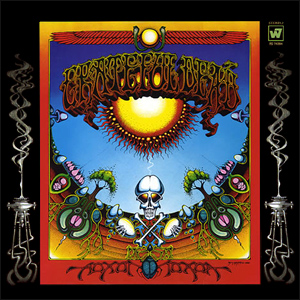
Aoxomoxoa (1969)

Perhaps no band is more associated with recreational drug use than the Grateful Dead. They got their start as the house band at Ken Kesey’s Acid Tests, and their debut is noticeably influenced by the consumption of speed. Unfortunately, nitrous oxide was the drug of choice for Aoxomoxoa, their third studio effort. The result is a confusing mess that weakens the power of the classic “St. Stephen” and mires “China Cat Sunflower” in a flower-power jumble. “Dupree’s Diamond Blues” marries highly misogynistic lyrics to a calliope effect that sounds like something from a carnival sideshow. But the true nadir has to be the unlistenable “What’s Become of the Baby.” Jerry Garcia and Phil Lesh soon realized the error of their ways, and in 1971 returned to the studio to remix the record and remove a number of its effects.

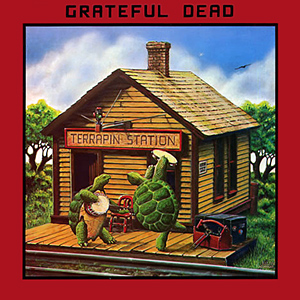
Terrapin Station (1977)

In 1976 famed record honcho Clive Davis signed the Dead to his new label, Arista Records, with the hope of helping them finally achieve mainstream success. To accomplish this goal he paired them with producer Keith Olsen, who had worked with Fleetwood Mac to create the eponymous record that would transform that band’s career. The result is a curious hodgepodge. While it contains some excellent material, most notably the title track and Bob Weir’s “Estimated Prophet,” it is horribly overproduced and applies a studio sheen that runs counter to the group’s spirit. The title track covers all of side two and is an enchanting, multi-part journey with some of lyricist Robert Hunter’s most evocative storytelling, orchestral and choral flourishes and a fiery, percussion-driven jam near its end. At the other extreme, the cover of Motown classic “Dancing in the Street” is simply embarrassing.

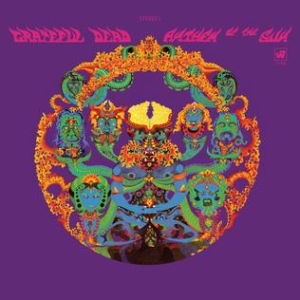
Anthem of the Sun (1968)

The Dead’s second album incorporated live recordings and is as psychedelic as they got in the studio. Producer David Hassinger famously exited after being asked to add “thick air” to the sound. After the dizzying speed of the debut, the band leaned into their stage persona and embraced long improvisational sections and Pigpen-led blues rave ups. The record is notable for being the first to entirely feature compositions written by band members. The opener, “That’s It For The Other One,” became one of their most oft-played live numbers in the ensuing decades, although other songs on the record made few if any onstage appearances after 1969. Anthem of the Sun introduced their psychedelic ethos to listeners unfamiliar with the live act and deployed studio effects that made it far ahead of its time. Sections feature multiple live samples interspersed and overlaid in a manner that brings the music in and out of focus much like the acid trips it was performed to.

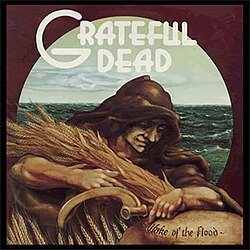
Wake of the Flood (1973)

The Dead’s sixth studio release was the first on their own record label. In true hippie spirit, the band considered selling it via ice cream trucks as a new, unique distribution method. The songs on Wake of the Flood are uniformly excellent, foundations for long, extended jams that quickly became the highlights of any show in which they were performed. The problem with the studio versions is that the songs are shortened with emotionless vocals and questionable instrumentation. “Eyes of the World” is a shell of the jamming vehicle it evolved into live; “Stella Blue” contains some of  Robert Hunter’s most evocative lyrics but includes none of the pathos so endemic to Jerry Garcia’s vocals on his quieter ballads. “Mississippi Half-Step Uptown Toodeloo” adds violin but similarly misses the potential it reached onstage. And Keith Godchaux’s only contribution to a Dead record, “Let Me Sing Your Blues Away,” is a novelty at best. 

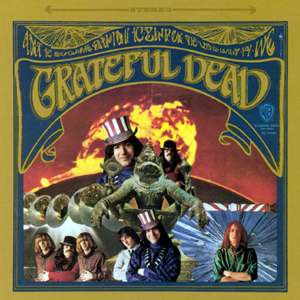
Grateful Dead (1967)

The Dead’s debut is a curious concoction. Recorded in only four days in Los Angeles under the noticeable influence of amphetamines, seven of its nine tracks are covers. The lone group composition, “The Golden Road (to Unlimited Devotion)” is credited to McGannahan Skyjellyfetti, while “Cream Puff War” is Jerry Garcia’s sole attempt at writing lyrics (his partnership with lyricist Robert Hunter began with the group’s sophomore release). Yet the record still has its unique charms. Thanks to all that speed it is furiously upbeat, and even a slow ballad like “Morning Dew” gets played at a faster pace than its live renditions. The album culminates with a ten-minute jam on Noah Lewis’s “Viola Lee Blues,” first performed in 1928 by Cannon’s Jug Stompers, that spirals into the first extended improvisation the Dead committed to vinyl, with Garcia soloing at breakneck speed. Released in March of ‘67, Grateful Dead was the soundtrack to the Summer of Love.

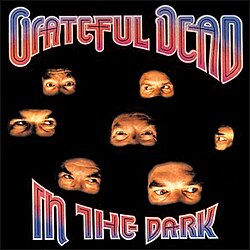
In the Dark (1987)

In the Dark, released in the wake of Jerry Garcia’s near-death from a diabetic coma in 1986, contained mostly material the group had been playing for years before his illness. But the renewed interest in the group and their biggest/only Top Ten hit, “Touch of Grey,” spurred a popularity that has only increased in the thirty years since Garcia died from a heart attack at fifty-three in 1995. In addition to its lone hit, the record includes two of Bob Weir’s better compositions: “Hell in a Bucket,”  a straightforward rocker that opened many shows thereafter, and “Throwing Stones,” as close to a political song as the Dead got outside their cover of Bonnie Dobson’s “Morning Dew,” about the aftermath of a nuclear holocaust.


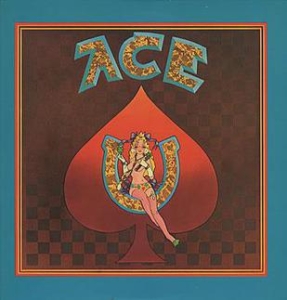
Ace (1972)

Ace is billed as a Bob Weir solo record, but his backing band on every track is the Dead, so it merits inclusion on this list (Jerry Garcia’s solo Reflections also features the Dead as backing band on a handful of tracks). Ace is 100% a Grateful Dead record, albeit with strictly Weir compositions. In fact, Ace features the track that sees the group come closest to capturing their live spirit in a studio setting, the nearly eight-minute “Playing in the Band” (the live version on Grateful Dead aka Skull and Roses has no jam at all). The album isn’t perfect thanks to the cheesy mariachi horns of “Mexicali Blues,” but still features some of the best collaborations between Weir and lyricist John Perry Barlow, most notably “Black-Throated Wind” and “Cassidy.” “One More Saturday Night,” the penultimate track, is one of Weir’s few attempts at writing his own lyrics.

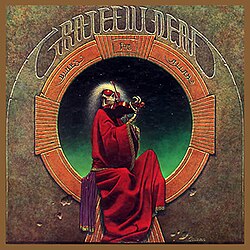
Blues for Allah (1975)

Burned out by constant touring, in late 1974 the Dead embarked on a nearly two-year performing hiatus; in 1975 they played only three shows, all in their San Francisco backyard. They returned here with renewed energy. Side one is as good as anything they did in the studio. The trio of “Help on the Way,” “Slipknot” and “Franklin’s Tower” kick things off with a burst of energy, with complex, jazzy jamming and the infectious bounce of the last song in the triad. “The Music Never Stopped” and “Crazy Fingers” similarly match Hunter’s lyrical prowess to strong melodies; the latter is the closest the Dead ever got to reggae. Side two peters out somewhat in a series of more spacey explorations, but not enough to lessen its overall appeal. 


From the Mars Hotel (1974)

The group’s seventh studio release is the only one that comes close to reaching the heights of the one-two punch of 1970’s Workingman’s Dead and American Beauty. Apart from Bob Weir’s tepid “Money Money,” the album finds the group firing on all cylinders with notable contributions from the songwriting duos of Garcia/Hunter and Lesh/Petersen. The former’s “Scarlet Begonias” became one of the Dead’s most-beloved songs with its romantic lyrics and spirited, open-ended jamming, while the latter’s “Unbroken Chain,” never performed live until shortly before Garcia’s death, marries a hypnotic melody to a complex middle section that hinted at Blues For Allah‘s melodic fusion. Add classics “Ship of Fools,” “U.S. Blues,” “China Doll” and “Loose Lucy”–all songs that elicited strong fan responses in concert–and the result is one of the few studio Dead records that even a non-Deadhead will appreciate. 

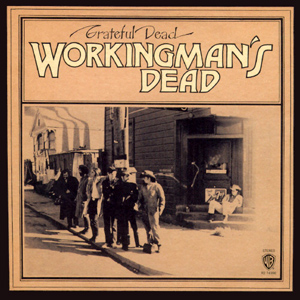
Workingman’s Dead (1970)

As the seventies dawned, the folk-rock of Southern California was taking the world by storm. First hatched by The Byrds, The Mamas and The Papas and Buffalo Springfield a few years prior, the genre took a big step forward with the debut release by Crosby, Stills and Nash in 1969. That album’s three-part harmonies greatly influenced the Dead, who did a 180 from the extreme psychedelia of 1969’s Live/Dead, their first live album, and instead opted for shorter, harmony-drenched compositions. Workingman’s Dead surprised fans but also captured a lot of new ones with its anthemic “Uncle John’s Band,” lilting “High Time” and country-tinged “Dire Wolf.” “New Speedway Boogie” speaks to the carnage at Altamont, “Easy Wind,” the only song the Dead did with both music and lyrics by Robert Hunter, features a funky Pigpen lead vocal, and “Casey Jones” closes the album in memorable fashion. The Garcia/Hunter partnership took a giant leap forward here.

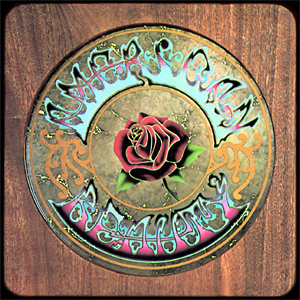
American Beauty (1970)

Workingman’s Dead may have been the album where the Dead took a sharp turn towards folk-rock and CSN-style harmonies, but American Beauty–released less than six months later–is where they reached their studio and songwriting apex. Three of their most widely-known songs–“Sugar Magnolia,” “Ripple” and “Truckin’”–are included. Garcia and Hunter also penned two of their most beautiful, resonant tracks, “Brokedown Palace” and “Attics of My Life,” while Hunter wrote the words for Phil Lesh’s album-opener “Box of Rain”  to help the bassist deal with the impending death of his father. Add in the David Grisman-aided “Friend of the Devil” and loping “Candyman” and you have a perfect record without a wasted second. If I was going to try to turn someone on to the Grateful Dead, this is where I’d start.


Ten Best Prog-Rock Albums

Welcome to the latest Paradise Found Records Blog. Here are the ten best prog-rock albums of all-time, the prime examples of the genre that ruled the airwaves and charts in the early seventies. Fifty year later prog has splintered into a thousand subgenres. Like your prog with a sci-fi storyline? Check out Coheed and Cambria. Prefer a jazzier, more psychedelic approach? The Mars Volta are right up your alley. Wonder what a prog metal hybrid sounds like? Try Mirar. There’s a niche vertical in today’s musical landscape for every imaginable aspect of prog.

Prog was widely embraced within years of its inception. While no one ever confused it with power pop and its longer songs scared off a lot of listeners, leading practitioners like Pink Floyd and Yes still filled arenas. Prog so dominated the marketplace in the seventies that punk and new wave exploded in part as a response to its excesses and ubiquity.

For the uninitiated, prog-rock was created by British musicians and generally featured one of two specific elements. First, it borrowed motifs and melodies from classical music, updating them to a rock setting. For example, Procol Harum’s hit “A Whiter Shade of Pale” borrows from Bach’s “Air on a G String.” Second, it featured longer compositions with lengthy solos. Musicians sporting long hair were common–although not specific to prog–and lyrics ran the gamut from hippie-style proselytizing to Tolkienesque storytelling to word play where the sound and flow were more important than meaning. 

Here is peak prog, presented in chronological order over its less than a decade long heyday. 

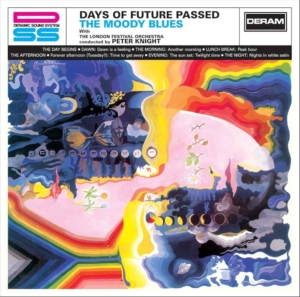
The Moody Blues – Days of Future Passed (1967)
The Moody Blues started as a pop act before becoming a psychedelic rock band that made spiritually-focused lyrics a central theme of their albums. They still had hits as late as 1988. Days of Future Passed was one of the first rock concept albums, combining rock and classical passages to portray a full day’s cycle. No other prog work so extensively used an orchestra and thematic, concept-driven records later became standard issue in the genre. The album delivered two big hits, “Tuesday Afternoon” and “Nights in White Satin,” the latter of which has achieved iconic status over the ensuing decades with more than a quarter of a billion streams on Spotify. (Proggiest track: “The Afternoon: Forever Afternoon (Tuesday?)/Time To Get Away”)

King Crimson – In the Court of the Crimson King (1969)

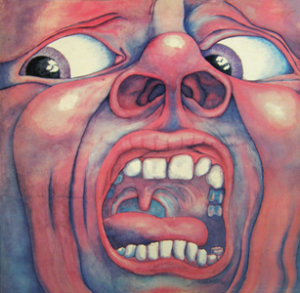
Besides Days of Future Passed, this is often described as the first true prog record. King Crimson encompassed many different lineups over the years–all led by guitar wizard Robert Fripp–and toured as recently as 2021 (former member Adrien Belew led a Crimson-focused tour last year). Their debut featured Fripp, drummer Michael Giles, vocalist Greg Lake (later of Emerson, Lake and Palmer), and talented multi-instrumentalist Ian McDonald, whose horn, woodwind, harpsichord, organ and Mellotron chops added jazz and classical elements. The record–with its jarring cover painting by Barry Godber, who died shortly after its release–features no less than three iconic, influential tracks: “21st Century Schizoid Man,” “Epitaph” and the title tune.  In the Court of the Crimson King’s shortest song clocks in at over six minutes; its longer songs are broken up into shorter movements (for instance, “Moonchild” includes “The Dream” and “The Illusion”), a template still used by prog practitioners. (Proggiest track: “The Court of the Crimson King”)

Pink Floyd – Meddle (1971)

Pink Floyd started out playing 1967 London Trips Festivals replete with light shows, very much a British equivalent to the Grateful Dead. Later they became one of the biggest selling rock acts of all time, transcending prog and reaching listeners with little other interest in the genre. Their commercial peak extended from 1973’s Dark Side of the Moon–one of the best selling albums of all time–through 1979’s The Wall. Whether Dark Side of the Moon or Meddle is the group’s best is the subject of much debate; I prefer the latter, partially because it’s less overplayed. “One of These Days” starts side one with a menacing, distorted bass-driven melody spotlighting guitarist David Gilmour’s lap steel work before moving through the hypnotic descending chords of “Fearless” and the bouncy lounge vibe of “San Tropez.” Side two is Pink Floyd’s masterwork: “Echoes,” a twenty-three minute nautically-themed journey that gently builds to an anthemic, wordless chorus followed by a funky, chunky guitar jam and nearly six minutes of seagull-like sounds created by Gilmour using a delay effect device called an Echorec. “Echoes” stands as Pink Floyd’s single best side of music, no small feat in a rich and resonant career. (Proggiest track: “Echoes”)

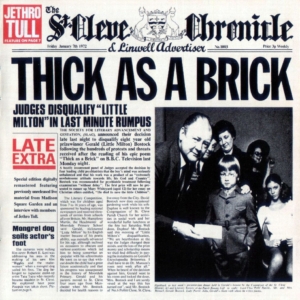
Jethro Tull – Thick as a Brick (1972)

No other prog act had more Top Forty hits than Jethro Tull, named after a famous English agriculturist. Led by curmudgeonly flutist Ian Anderson, the group emerged from England’s late sixties blues scene but gradually moved to the middle, using the flute more extensively than any other act this side of Andre 3000. Following the peak of their FM success with Aqualung, Tull explored the limits of prog with this masterpiece that flummoxed DJs. Thick as a Brick is two sides with a single song, the title track “Part One” and “Part Two.” Each part contains many individual songs but also moves in and out of a central theme. The album rocked hard but also featured plenty of soft, melodic folk. (Proggiest track: “Thick as a Brick, Part One”)

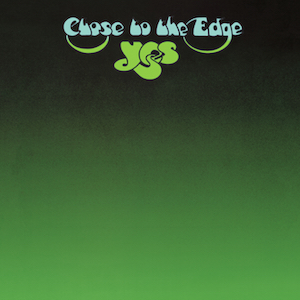
Yes – Close to the Edge (1972)

Led by Jon Anderson’s shimmering alto tenor and his lyrics that painted pictures to blend with the virtuosic skills of his bandmates, Close to the Edge is where Yes tapped into the true essence of prog. The title track is a sidelong opus featuring a stumbling time signature, an irresistible chorus and a long, dreamy third passage that resolves into a final reprise; its nearly nineteen minutes blow by in an instant. Side two’s ”And You and I” and “Siberian Khatru” are no less engaging, the former a lilting love song and the latter a galloping rocker with an extended Steve Howe guitar solo at the end. Add Roger Dean’s spectacular artwork–a common graphic accompaniment to Yes albums–and the result is arguably the greatest prog work of all time. (Proggiest track: “Close to the Edge”)

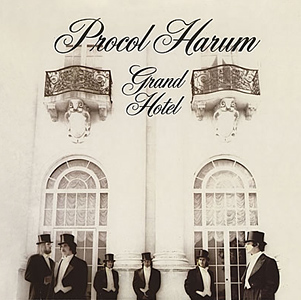
Procol Harum – Grand Hotel (1973)

Procol Harum leaned toward the classical end of the spectrum, but Keith Reid’s often surreal, cryptic lyrics fit the profile and their sound embodied the best prog. Even though it failed to chart a hit, their sixth effort contained uniformly strong material. The title track evokes the white tablecloths and grandiosity of fancy mid-twentieth-century hotels over a slowly building melody leading to a bridge with an orchestral interlude notable for its spiraling time signature. “TV Caesar” speaks to the intrusiveness of the idiot box with a choir at its close to mimic the medium’s self-importance. And the album’s masterpiece, “Fires (Which Burnt Brightly),” addresses the futility and sadness of war atop a beautiful medley with a spellbinding, wordless vocal solo by Christine Legrand, aunt to Victoria Legrand of Beach House. If you like Clare Torry’s soaring vocals in Pink Floyd’s “The Great Gig in the Sky,” you’ll love “Fires (Which Burnt Brightly).” (Proggiest track: “Fires (Which Burnt Brightly)”)

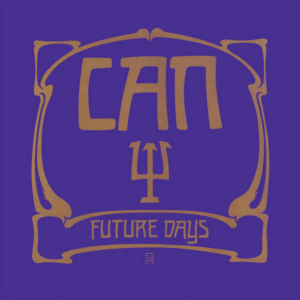
Can – Future Days (1973)

Most prog was the opposite of improvisational. Every note was carefully planned and the live shows typically recreated the recorded work almost note-by-note; it might have showcased stellar musicianship, but no one was ever going to confuse it with jazz. Germany’s Can focused on a more spontaneous interpretation. Some would argue they are not truly prog, but their long compositions and search for unique sounds make them at least prog-adjacent (and prog and psychedelic music share a lot of space on a Venn diagram). Featuring proto-rap vocals meant more to layer the sound than rise above it, the group hit their peak with the trifecta of 1971’s Tago Mago, 1972’s Ege Bamyasi and this release. Future Days conjures rainforest walks and spotlights drummer Jaki Liebezeit’s wide-ranging percussive rhythms, but you can also hear traces of post-punk and new wave in its Krautrock that would inspire many of the acts who later revolted against prog’s excesses. Can famously never played the same live show twice, instead performing extended, free improvisational jams that contained only fragments from their discography. (Proggiest track: “Future Days”)

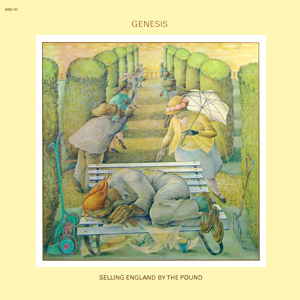
Genesis – Selling England By The Pound (1973)
With the possible exception of Pink Floyd with their dour perspective and focus on post-war England, no band leaned into prog’s essential Britishness more than Genesis. Their fifth studio effort is their best, partially because it has fewer of the overly twee affectations that ran through their earlier work. Selling England By The Pound kicks off with the majestic “Dancing with the Moonlight Knight” and the sly “I Know What I Like (In Your Wardrobe)” before arriving at the single greatest Genesis song, “Firth of Fifth,” wherein a brief intro/outro wraps around a magical middle instrumental passage highlighted by shifting time signatures that culminate in a masterful guitar solo by Steve Hackett. A far cry from the pop-rock that turned the Phil Collins-led lineup into a stadium-filling act in the eighties and nineties. (Proggiest track: “Firth of Fifth”)

Emerson, Lake & Palmer – Brain Salad Surgery (1973)
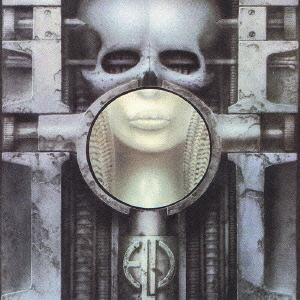
Prog’s first supergroup brought together keyboardist/Moog synthesizer wizard Keith Emerson from The Nice, bassist/vocalist Greg Lake from King Crimson and drummer Carl Palmer from Atomic Rooster. Alongside Genesis, the group had a rep for being on the showier side live, with laser light shows and Emerson famously throwing knives at his banks of keyboards to elicit new and unusual effects. Brain Salad Surgery, known for its cover artwork by MR Giger of Alien fame, stands as the pinnacle of the group’s creative output. Besides the soft pop of “Still You Turn Me On,”  the album is mostly comprised of ELP’s opus “Karn Evil Nine,” which includes three “impressions” spanning thirty minutes and cover a side-and-a-half of the LP. (Proggiest track: “Karn Evil Nine (1st Impression — Part 1)”)

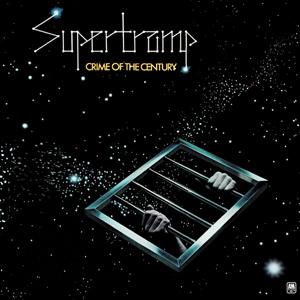
Supertramp – Crime of the Century (1974)
Supertramp became hugely successful as they strayed from their prog roots in later years, but their third release is their masterpiece, so sonically superlative it was one of the first rock albums to be released in audiophile Mobile Fidelity format. Crime of the Century features eight stellar tracks. “School” kicks things off with a plaintive harmonica cry that leads to impassioned lyrics questioning authority before careening into an anxious piano solo interlude played at breakneck pace. “Rudy” tells the story of a lost soul trying to find himself on a train ride that picks up speed as his mind races with a confused search for meaning. The title track closes the record with a piano coda filled with orchestral flourishes and a slow fade. The album hints at the group’s later stardom: minor hits “Dreamer” and “Bloody Well Right” garnered the group’s first significant radio play. (Proggiest Track: “Rudy”)

Top Five: Bob Dylan’s Best Records

It was only a matter of time before Bob Dylan received the conventional Hollywood biopic treatment. The recently released A Complete Unknown is a thrilling romp through the first few years of his career culminating with his controversial 1965 Newport Folk Festival appearance, where he outraged folk purists by plugging in and rocking out. Telling Dylan’s true story has never been easy; the man himself plays around with how others perceive him every chance he gets. 

A Complete Unknown was directed by James Mangold, most famously known for his lauded Johnny Cash biopic Walk the Line. And while it unsurprisingly takes more than a few artistic and historical liberties in the service of accessibility and narrative, it largely hews to the reality of Dylan’s first few years of notoriety. This is in direct contrast to Martin Scorsese’s Rolling Thunder Revue: A Bob Dylan Story, the 2019 film about Dylan’s traveling caravan which “documented” the famous 1975-76 tour that included a Fort Collins stop by adding fictional elements, most specifically conversations with hangers-on who in actuality weren’t there.

Like The Beatles, that other leading musical force of the sixties, Dylan has been over analyzed ad nauseum. But unlike the Fab Four, who stopped putting out albums together in 1970, Dylan’s steady stream of new material and decades-long Never Ending Tour has kept him top of mind for sixty five years. His ubiquity makes him a relevant part of the musical knowledge of any one over a certain age, but hopefully A Complete Unknown exposes him to a younger audience. Much in today’s culture is influenced by him and he can legitimately lay claim to being the most important American musical artist of most living people’s lifetime. He is also the only songwriter to win the Nobel Prize in Literature.

Not counting live and archival releases–of which there are many–Bob Dylan has released forty (!) albums since his 1962 debut. With rare exceptions all have been original material. To help newbies navigate this intimidating discography, here are his five best albums. Picking just five is no small feat; while he has not always maintained his high standard, much more than half his output is highly rewarding and many critics count his misfires in the single digits. In chronological order: 

The Freewheelin’ Bob Dylan (1963)

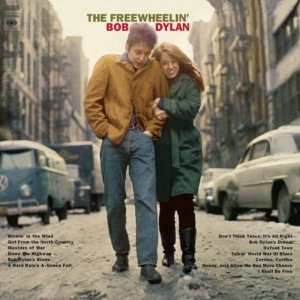
Dylan’s first four records were almost entirely acoustic affairs, and his eponymous 1962 debut features only two original compositions. Its follow-up, The Freewheelin’ Bob Dylan, features twelve originals with only a single cover, and first demonstrates the skill that made him the greatest lyricist of the twentieth century. Some of his most well known, oft-covered songs are here, among them “Blowin’ in the Wind,” “A Hard Rain’s A-Gonna Fall” and “Don’t Think Twice, It’s All Right.” The album also features the classic cover shot of Dylan and then-girlfriend Suze Rotolo depicted in A Complete Unknown.


Blonde on Blonde (1966)

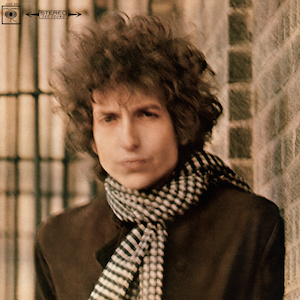
The first double-album Dylan released was his third with electric guitars. After a failed attempt with The Hawks (later known as The Band) as backup, Dylan instead leaned on Nashville studio wizards to create the most sophisticated-sounding music he’d made up to that point. Al Kooper’s organ is a big part of the sound, an ironic touch considering Kooper only moved to the instrument after the much better Mike Bloomfield (who had accompanied Dylan at that famous Newport performance) showed up to play guitar at the session. Blonde on Blonde contains two of Dylan’s earliest cracks at long ballads, “Visions of Johanna” and “Sad-Eyed Lady of the Lowlands.” It kicks off with the raucous “Rainy Day Women #12 and #45” (with its chorus “Everybody must get stoned”) and also features the tender “Just Like a Woman” and uptempo “Stuck Inside of Mobile with the Memphis Blues Again.” With no weak spots among its fourteen tracks, many would argue this is Dylan’s finest hour.

Nashville Skyline (1969)

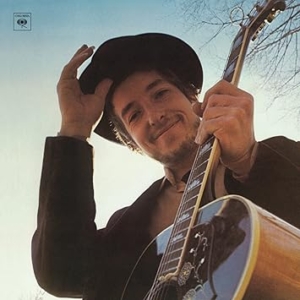
The Byrds and Gram Parsons may have trailblazed the country rock sound later popularized by The Eagles, but Dylan broke barriers less than a year after Sweetheart of the Rodeo by exposing his rock and folk followers to country. Starting with a duet with country legend Johnny Cash on his classic “Girl from the North Country,” which first appeared on The Freewheelin’ Bob Dylan, Nashville Skyline is another effort recorded in Nashville using Nashville cats and features Dylan affecting a baritone previously not in his vocal arsenal (which he achieved in part by ending a cigarette habit). “Lay Lady Lay” was Dylan’s biggest hit since “Like a Rolling Stone.” Other classics including “I Threw It All Away” and “Tonight I’ll Be Staying Here With You” are part of the album’s too-brief twenty-nine minute running time.

Blood on the Tracks (1975)

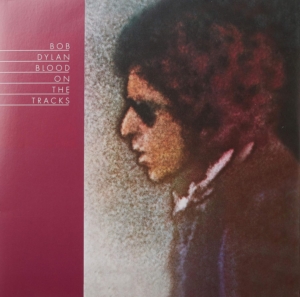
Dylan’s “breakup” album, made in the wake of the dissolution to his marriage to Sarah Lowdnes (the subject of “Sad-Eyed Lady of the Lowlands”), is arguably the best album ever about heartbreak. Blood on the Tracks cycles through the different stages of grief over love lost, from longing and sentimentality (“Tangled Up in Blue”) through anger and pain (“Idiot Wind,” “You’re a Big Girl Now”) to acceptance and  gratefulness (“Buckets of Rain,” “Shelter From the Storm”). Anyone who’s had their heart broken will recognize the emotions Dylan captures with such depth here, although it’s hard to imagine them being put into words more powerfully.


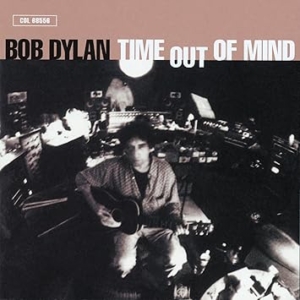
Time Out of Mind (1997)

Dylan’s stature naturally waned as grunge exploded and hip-hop ascended in the mid-nineties. This “comeback” album refocused attention on him and marked the beginning of an impressive second arc of his career that has flowered through 2021’s Rough and Rowdy Ways. Working with French Canadian Daniel Lanois, who’s produced popular records–sometimes in partnership with Brian Eno–by U2, Emmylou Harris, Peter Gabriel and many others, Dylan rediscovered his mojo in a haunting, swampy sound set to his best set of lyrics in years. Leading off with the desolation, weariness and menacing rhythm of “Love Sick,” the self-reflective shuffle of “Dirt Road Blues” and the heartache and resignation of “Standing in the Doorway,” Time Out of Mind was Dylan’s biggest success in decades.


The Next Five: Bringing it all Back Home (1965); Highway 61 Revisited (1965); The Basement Tapes (1975); Desire (1976); Love and Theft (2001)


Top 20 Records of 2024

Welcome to the year-end edition of the Paradise Found Records blog. It was another great year for music and for Paradise Found. Our Boulder and Petaluma locations continue to thrive, with more in-store performances and album signings than ever before. We couldn’t do it without you, our loyal customers. We love seeing your smiling faces and it makes our day to share music–new and old–with you!

There are good years for new music and there are great years for new music, and 2024 definitely fit the latter category. It seemed like high-quality new albums were released every week. Sometimes the release method itself was part of the story: Cindy Lee’s Diamond Jubilee was originally only available via download or as a two hour uninterrupted YouTube stream, while Jack White dropped his latest album without warning by giving it away at his Nashville and Detroit Third Man Records retail stores. Elsewhere, Chappell Roan, whose debut came out in September 2023, experienced the most meteoric rise by any act in recent memory. Over just a few months, Roan went from relatively unknown to headliner status playing late afternoon festival stages to packed crowds that didn’t always stick around to see whomever was top billed. At Coachella in April she performed in a tent for a few thousand fans; by Lollapalooza in July the difference in crowd size and enthusiasm had grown exponentially. Between her pure pop and over-the-top, drag-influenced presentation that referenced the eighties and disco with equal aplomb, Roan’s overnight success ten years after her first YouTube video was the story of the year. No album flew off the shelves here faster this year.

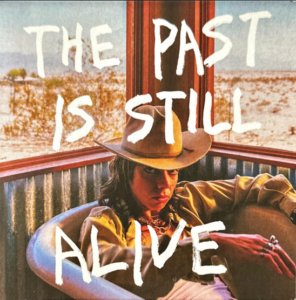
Coming up with just twenty favorite releases of the year was a challenge. My favorite album, Hurray for the Riff Raff’s The Past is Still Alive, reveals new depths with each listening and tells a story that is both topical and timeless. But any one of several others on my list could’ve been number one. Here are my top ten in alpha order, followed by the next five and my five favorite archival releases. Everything on this list available in our stores or online.

Brittany Howard – What Now

Howard’s sophomore solo album since her days leading Alabama Shakes embraced the bass, moving beyond the rock that permeates her prior work to create what sounds like a great unearthed Prince album. She made room for gospel touches on opener “Earth Sign” and “Red Flags” but largely focused on funk, eschewing her notable guitar skills as she expanded her palette and paid tribute to the Paisley Park sound. (Favorite track: “Every Color in Blue”)


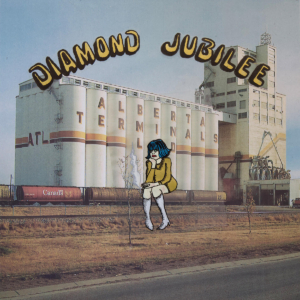
Cindy Lee – Diamond Jubilee

This two-hour-long double album by Cindy Lee (aka Patrick Flegel from the band Women) leans into a production quality that embraces a Pet Sounds-era aesthetic. Only available currently via Bandcamp, Geocities and YouTube, Diamond Jubilee will finally get a vinyl release in February. Its blend of distant vocals, extended instrumental breaks, and dreamy psychedelic pop brings to mind a lo-fi Beach House.  (Favorite track: “Glitz”)


Hurray for the Riff Raff – The Past is Still Alive
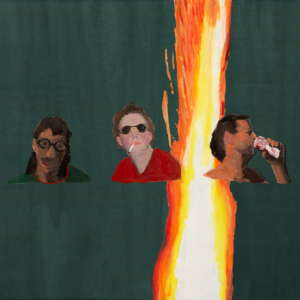
Alynda Segarra’s latest effort is the culmination of an underappreciated career that draws on time spent hopping trains and busking on street corners with a keen eye for the challenges faced by the impoverished and disenfranchised. Segarra retains enough hope to draw a line from a dying species to a new love (“Buffalo”) before concluding that they feel like the band on the deck of the sinking Titanic, watching “the world burn with a tear in my eye.” (Favorite track: “Buffalo”)


MJ Lenderman – Manning Fireworks

Asheville-based MJ Lenderman had quite the year. His band, Wednesday, played to increasingly larger crowds and growing critical acclaim. His guitar work and vocals added much to Waxahatchee’s newest album, and his fourth solo studio effort is his best yet. Starting quietly with the plaintive folk of the title track and culminating with the Neil Young-inspired shredding and feedback-drenched metal machine music of “Bark at the Moon,” Manning Fireworks is a beguiling slice of Americana. (Favorite track: “Wristwatch”)


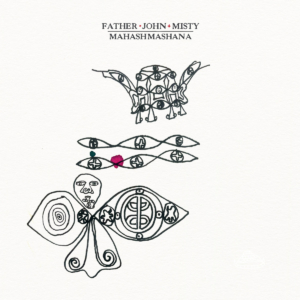
Father John Misty – Mahashmashana

Josh Tillman’s fifth album (the title means “great cremation ground”) is a return to form after the slight drop-off of his last two LPs. The themes of societal decline, aging gracefully and navigating Los Angeles traffic–literal and political–remain from his best work, but musically he ventures into harder rock (“She Cleans Up”) and funk (“I Guess Time Just Makes Fools of Us All”) for the first time. At his best as on the majestic opening title track, Misty writes songs to help listeners navigate their own end of days. (Favorite track: “I Guess Time Just Makes Fools of Us All”) 


St. Vincent – All Born Screaming

St. Vincent’s last album, 2021’s Daddy’s Home, was an R&B seventies tribute made in response to her father’s release from prison that conjured Stevie Wonder and Pink Floyd. Here she returns to her comfort zone with angrier, edgier lyrics and an emphasis on beats and synthesizers. She also uses strings for “Violent Times,” which sounds like a soundtrack for some imaginary, yet-to-be-made movie about the decline of Western civilization. (Favorite track: “Sweetest Fruit”)


Vampire Weekend – Only God Was Above Us
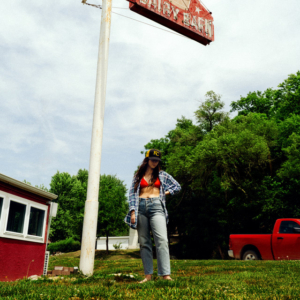
The departure of Rostam Batmanglij after 2013’s Modern Vampires of the City left co-leader Ezra Koenig searching for his own style; follow-up Father of the Bride was a transitional effort aided by the Haim sisters and an expanded group of musicians. Koenig regains his confidence and ventures in exciting new directions on Only God Was Above Us. The existential angsty lyrics set against cheery, polyrhythmic melodies are still there, but this is the sound of a new, more dissonant and intricate Vampire Weekend. If new parenthood has taught Koenig anything, it’s to let it go, which he preaches for eight minutes on the album’s ultimate and best track. (Favorite track: “Hope”)


Waxahatchee – Tiger’s Blood

Katie Crutchfield’s stellar 2020 St. Cloud grappled with her newfound sobriety but added a melodicism that helped break her to a wider audience, a success delayed by the pandemic’s shuttering of venues. Her follow-up is equally melodic and more mature, a logical next step toward festival headlining slots. Her unique Americana recalls a less Southern-fried  Lucinda Williams, but with a richness all her own. (Favorite track: “Right Back to It”)


Gillian Welch and David Rawlings – Woodland
Gillian Welch is the opposite of prolific; Woodland is her first record of original material in thirteen years and only her sixth since her 1996 debut. It’s also her first album to be co-billed with partner/guitarist David Rawlings and continues her streak of excellence. This is timeless music, simple folk that is evocative and sounds like it could’ve been created before the invention of electricity and amplification. Welch and Rawlings make music that sounds highly manicured while still steeped in Appalachian roots, seemingly designed to be sung around a campfire. (Favorite track: “What We Had”)


Jack White – No Name

Jack White’s six solo studio albums have all continued the blues passion and whimsical folk that brought him fame with The White Stripes. His latest and best solo effort yet is a sonic blast of garage rock that forsakes all subtlety and softness in favor of volume and high energy. White followed its release with an extensive tour of small venues announced shortly before each show, reinforcing the album’s impromptu-style release and ethos of “turn it up and play it loud so the neighbors complain.” (Favorite track: “What’s the Rumpus?”)


Next five: Nick Cave — Wild God; Kim Deal — Nobody Loves You More; Jessica Pratt — Here in the Pitch; Wilco — Hot Sun Cool Shroud; Tucker Zimmerman — Dance of Love

Top Five Archival Releases

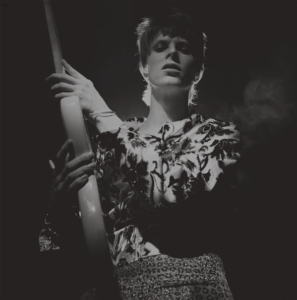
Bowie–Rock’n’Roll Star!

This 5CD box provided an inside look at the creation of Bowie’s best  album, The Rise and Fall of Ziggy Stardust and the Spiders from Mars. Starting with a San Francisco hotel room recording of what would become “Moonage Daydream” and continuing through a brief stint with The Arnold Corns alongside demos, BBC and live recordings, this is a fascinating, in-depth look at the workshopping and development of what would become one of the most beloved rock albums of all time. (Favorite track: “Star (aka Stars)”)


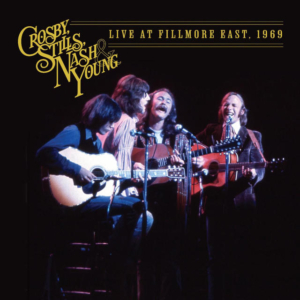
Crosby, Stills, Nash and Young–Live at Fillmore East, 1969

This September 1969 concert, recorded a month after their famed second live performance at Woodstock, finds one of the original supergroups honing their live act and integrating newest member Neil Young. The strength of the songs has not faded with time, and those harmonies! Come for the first album of acoustic songs, including a nearly nine-minute “Suite: Judy Blue Eyes.” Stay for the raging sixteen-minute “Down by the River” with Young and Stephen Stills trying to outduel each other on extended guitar solos. (Favorite track: “Down By The River”)


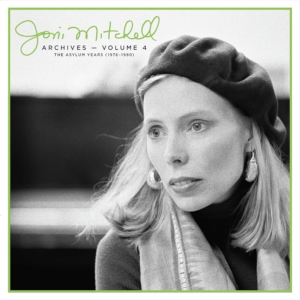
Joni Mitchell – Archives Volume 4: The Asylum Years (1976-1980)
The fourth installment of Joni Mitchell’s archives series finds her running from the fame of her biggest selling album, Court and Spark, in the direction of jazz and longer, more freeform compositions. The bridge was 1976’s The Hissing of Summer Lawns, which saw her feet planted in both worlds. Aided by bass wizard Jaco Pastorius, the follow-up Hejira was excellent if uncommercial. This box features demos, live shows, alternate takes and a few selections from Mitchell’s brief stint on Bob Dylan’s famous 1975 Rolling Thunder Revue Tour. (Favorite track: “Harry’s House”)


Talking Heads–Talking Heads ‘77

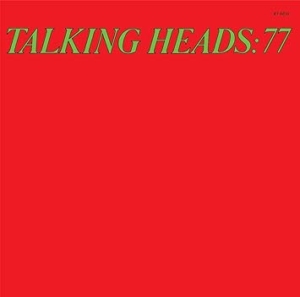
More than any other band, Talking Heads bridged the gap between punk and New Wave. Their debut married David Byrne’s nerd energy with the pounding rhythm of bassist Tina Weymouth and drummer Chris Frantz years before the sophisticated funk of Remain of Light. The deluxe box re-release features the quartet’s last ever CBGB’s performance plus an entire disc of revelatory demos and B-sides. (Favorite track: “Love>Buildings on Fire”)


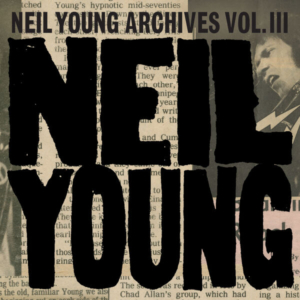
Neil Young–Archives Vol. 3 1976-1987

Neil Young’s Archives Series has each featured a deep dive–including greatest hits and entire unreleased albums–but the latest installment, covering 1976-1987, is his most expansive edition yet, with 17 CDs and 5 Blu-Rays. The period saw Neil move from career peaks (Comes a Time, Rust Never Sleeps) to deep valleys (Everybody’s Rockin’) with fascinating diversions like Trans in between. The highlights of this collection include Young demoing American Stars’n’Bars material in Linda Ronstadt’s Malibu kitchen, a Nashville session with Nicolette Larson, and the acoustic shows at San Francisco’s tiny Boarding House that birthed Rust Never Sleeps. (Favorite Track: “Sail Away”)


Top Five: David Bowie’s Best Records

2024’s comprehensive Rock ’N’ Roll Star! 5CD box set features a deep dive into David Bowie’s legendary The Rise and Fall of Ziggy Stardust and the Spiders From Mars and is a great reason to celebrate a highly influential artist. Nearly eight years after his death, Bowie is still as important as ever and it’s easy to spot devotees across the full spectrum of music.

David Bowie may have borrowed from others (who hasn’t?) to create his unique synthesis of glam, rock and pop, but ultimately his chameleon-like style was wholly his own. The London native, born David Jones but forced to change his name because original Monkees member Davey Jones beat him to fame with that moniker, combined the androgynous spirit of Lou Reed, the pre-punk energy of Iggy Pop and the showmanship of Alice Cooper to forge his own musical fashion. The conventional wisdom is that Bowie made his best music in the seventies, but he reached peak popularity in the eighties and made great records right up until Blackstar, a powerful examination of mortality released the same month he died.

Bowie’s ability to shape-shift has inspired countless acts that followed, so picking five best records is no easy feat. Fans will have their own passion for which record touched them the most. While you can’t really go wrong anywhere in his catalog, here are the five Bowie albums that resonate the most with me, in chronological order (not including live albums, an entire sub-genre of the Bowie discography):

Hunky Dory (released December 1971)

Bowie’s first big hit in the UK, “Space Oddity,” came in 1969; it failed to land in the U.S. that year and only became a hit here upon its re-release in 1973. Bowie struggled to replicate his UK notoriety elsewhere before Hunky Dory was released at the end of 1971. His most focused effort to date, every song displays the pop sensibility that would find him a global audience. Hunky Dory’s leadoff track, “Changes,” quickly became an FM radio staple in the states, but the ensuing decades have burnished the popularity (and stream counts) of many other tracks. The anthemic “Life on Mars?” piano ballad is now one of his most favored and oft-covered songs, while the Velvet Underground-inspired “Queen Bitch,” the theatrical “Oh! You Pretty Things” and the breezy pop of “Kooks” each get better with age. Hunky Dory is a great place to start because it’s also the first time Bowie started to achieve stardom on both sides of the pond. 

The Rise and Fall of Ziggy Stardust and the Spiders From Mars (released June 1972)
Bowie wasn’t nearly the first musician to pen a rock opera, but when he did he leveraged his androgynous, other worldly appearance for maximum effect. Aided by guitarist Mick Ronson, the album navigates a path through apocalypse-themed balladry (“Five Years,” “Rock and Roll Suicide”), pop (“Starman,” ”Star”) and rock (“Hang On to Yourself,” “Moonage Daydream”) while telling the story of a band that flames out as quickly as it flares up. Arguably Bowie’s finest work, this is a breathless romp that never gets old and flies by without a single weak moment. Artists have been paying tribute ever since to its Sgt. Pepper-like adoption of a new persona.

Station to Station (released January 1976)
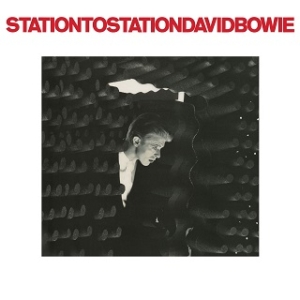
Bowie first hit the top of the charts in the U.S. with “Fame” from Young Americans, his 1975 “plastic soul” album recorded largely in Philadelphia in late 1974. But it was that LP’s follow-up, the cocaine-drenched Station to Station, that revealed surprising new depths and variety. The ten-minute-long title track leads off  with a train whistle blow that dissolves into a funky, mechanical march before ultimately resolving into an frenzied, extended guitar-driven coda. Elsewhere, “Golden Years” and “Stay” build on the R&B of Young Americans but add more heart and energy without the plastic, while “TVC 15” prophesizes interactive media alongside an infectious, anthemic chorus. The album closes with a breathtaking cover of “Wild is the Wind,” the ballad first popularized by Johnny Mathis and Nina Simone in the fifties (Fun fact: Bowie was a huge fan of Simone and the two became close friends).

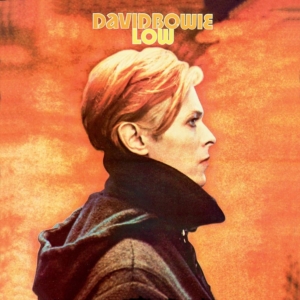
Low (released January 1977)

Bowie’s Berlin Trilogy, helmed by producer Tony Visconti and featuring the cutting edge synthesizer effects and production style of Brian Eno, starts here. The first side is bookended by short, instrumental tracks that surround five songs of catchy synth-pop weirdness, while the second presents four tracks of atmospheric music. Bowie was hardly the first musician to travel down this path, but he was by far the most popular musician to expose his audience to the ambient genre and it was a radical departure from expectations. Low is forward-thinking enough to make it the most influential of his many records. The title track of its successor, Heroes, might be the most popular song to emerge from the Berlin Trilogy, but Low is where Bowie took his musical expansion to a new level and inspired punks, new wavers and ambient soundscapers to step out of their comfort zones.

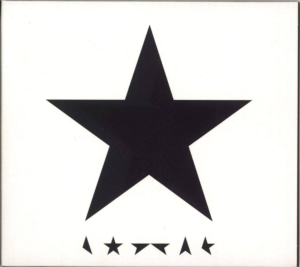
Blackstar (released January 2016)

Bowie’s death from liver cancer powerfully coincided almost to the exact day with the release of his final album. Blackstar is a haunting, jazz-tinged effort that radiates the self-examination terminal illness forces (the title track, “Lazarus”), rues the passing of time (“Girl Love Me”) and concludes mournfully with “I Can’t Give Everything Away.” By making some of his best and most meaningful music while struggling through his final days, Bowie proved his art was timeless, evocative and capable of simultaneously inspiring sadness, hope and gratitude for a life well-lived.

Beyond One Love: Buyer’s Guide to Bob Marley

One of the biggest film success stories of 2024 has been the biopic Bob Marley: One Love, an engaging look at the global superstar who did more than any other musician to bring reggae to the masses. Unsurprisingly, the best part of the movie is its music, from depictions of studio recordings to live performances. Marley’s songs run the gamut from passionate political anthems to gentle love songs. Even at their most intense, the rhythms are irresistible. I was lucky enough to see him twice, in Philadelphia in 1977 and at DU in 1979. In-person Marley was highly charismatic and his shows were powerful and unforgettable.

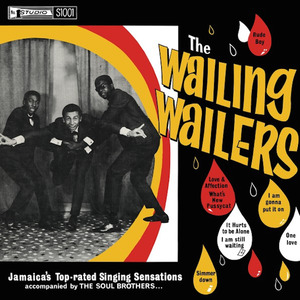
For the uninitiated, a quick recap of the man and The Wailers, his backing band: Marley’s parents were a 64-year-old British Army Private and an 18-year-old Jamaican native. His father was largely absentee and died when his son was only 10. Marley met Neville Livingstone, later known as Bunny Wailer, in middle school; the pair became stepbrothers when Marley’s mother and Livingstone’s father had a daughter together. Soon after they recruited Peter Tosh and began the Impressions-influenced vocal group The Teenagers that morphed into The Wailing Rudeboys and then The Wailing Wailers, the moniker used on their first album, a compilation of singles. It wasn’t until later in the sixties that the trio learned musical instruments. As documented in The Islander: My Life in Music and Beyond, Chris Blackwell’s excellent autobiography, the earliest ska, reggae and rock steady singles were sold from car trunks. The founder of Island Records, Blackwell got his start scouring Jamaica for 45s which he would sell to DJs to use at parties. Blackwell and his competitors famously scratched the names of the artists off each single in an effort to maintain proprietorship over the music they were peddling. 

If you enjoyed the movie and are ready to broaden your exposure to the reggae legend, here is a guide to how to pick and choose from his discography, in order:

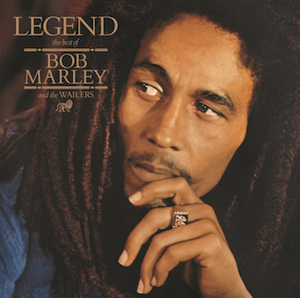
Legend (1984)

It pains me to put a greatest hits collection at the top of the list, but Legend is one of the best-selling albums of all-time and has been in the Top 200 charts for decades. It is a great introduction to his music, although the track selection is deliberately softened up for mass consumption. It overly relies on Exodus (five of its twelve tracks come from that one LP) and crucially skips all of his pre-1973 non-Island Records material, but it cherry-picks effectively from his last albums. If you’re going buy one Bob Marley album–and he deserves much more of your musical attention–there’s a reason Legend has sold 23 million copies in the 40 years since its release.


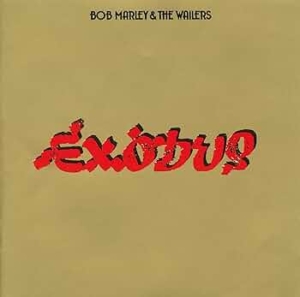
Exodus (1977)

Marley’s ninth studio effort is his most popular and biggest seller outside of Legend, and deservedly so. It perfectly builds a bridge from his earlier political material to a more commercial focus. Where the former is concerned, “Natural Mystic” opens with a slow build to a lament that “many more will have to suffer,” while the title track embraces Rastafarian deity Haile Selassie’s belief that people of African ancestry should return to their home continent, a belief he shared with Malcolm X. At the other extreme are the perfect pop confections “Three Little Birds” and the radio-friendly “Jamming.” It’s no surprise that in 1999 Time Magazine crowned Exodus the best album of the 20th century; it is an essential part of any collection and the best way to start a serious Marley library.


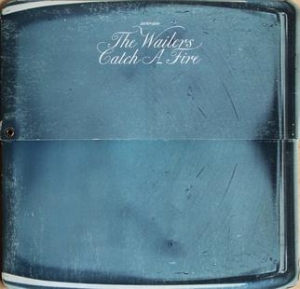
Catch a Fire (1973)

The Wailers’ first real attempt to find fans in the UK and USA had an interesting birth: Chris Blackwell was intrigued enough to bankroll its recording, but he found the result too edgy for rock-oriented seventies audiences. Enter guitarist Wayne Perkins from The Swampers, the legendary backing band from Muscle Shoals, who had literally no experience with reggae. Perkins dubbed in the guitar parts that jump out on album opener “Concrete Jungle,” the oft-covered classic “Stir It Up” and “(Baby Baby) We’ve Got a Date.” The resulting mix put Marley and the Wailers on the map and paved the way for greater success. Later expanded editions of Catch a Fire include both the original Jamaican version and the Perkins-enhanced edition that most fans are familiar with.


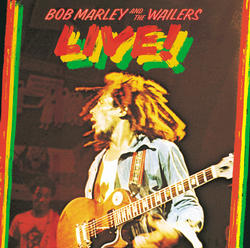
Live! (1976)

Recorded at the Lyceum in London in July of 1975, Live! was another big step toward finding a larger audience; “No Woman, No Cry” is still Marley’s biggest hit all these years later. The album finds Marley aggressively stepping into a leadership role after the departure of Tosh and Livingstone. The material from Natty Dread, Burnin’ and Catch a Fire packs a stronger punch in a live setting. “Trenchtown Rock” opens the record with an upbeat welcome (with the classic first line “One good thing about music, when it hits you feel no pain”) before “Burnin’ and Lootin’” and “Them Belly Full (But We Hungry)” pull the listener into the frustration and anger of the Rasta struggle. Much live Marley material was released in the following decades, but this is still the best representation of his in-concert magnetism.
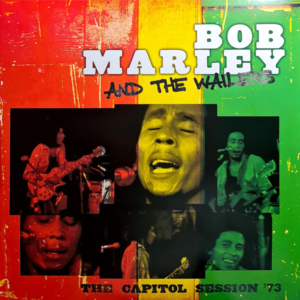
 

The Capitol Session ‘73 (2021)

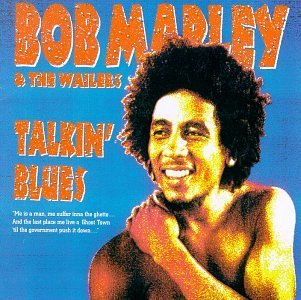
This gem was discovered in the vaults nearly a decade after Marley’s death but still not released until three years ago. Recorded the same October 1973 week as Talkin’ Blues at a studio session at Capitol Records in Los Angeles, the real find here is a DVD of the performance only available with the CD edition. The compelling footage finds a loose Wailers rehearsing and casually working up material and includes Tosh taking lead on his excellent compositions “You Can’t Blame the Youth” and “Stop That Train.”


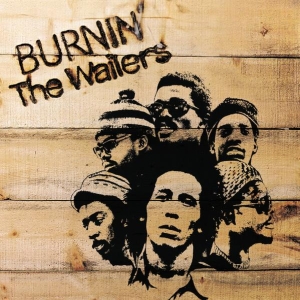
Burnin’ (1973)

The follow-up to his Island Records debut was the last album Marley made with Peter Tosh and Neville Livingstone; both musicians left to pursue solo careers as the spotlight increased on their bandmate. Burnin’ featured several tracks that became Wailers staples: album opener “Get Up, Stand Up,” which Marley and Tosh cowrote, is one of their most widely known protest songs, and “I Shot The Sheriff” spurred the Eric Clapton cover that became the guitarist’s biggest hit after his work with Cream. The LP also included inspired reworkings of older Wailers classics “Small Axe,” “Duppy Conqueror” and “Put It On.” The last song on the last album from the original band was the traditional Rastafarian hymnal “Rasta Man Chant.”


Songs of Freedom (1992)

One of the first large box sets released as CDs supplanted vinyl in the early nineties was this stellar career-spanning 4-CD collection. Over thirty years later, it still stands as one of the best career retrospectives of any musician ever. Re-released as the 6LP set Songs of Freedom–The Island Years in 2021, that reissue sadly omits what made the original box so special: an entire disc of his pre-Island recordings dating back to his first work in the early sixties, along with a stunning acoustic medley from 1971 that finds Marley in rare form, strumming through compositions including “Stir It Up” and “I’m Hurting Inside.” Used copies of the CD box are widely available and well worth chasing down.


Rastaman Vibration (1976)

Rastaman Vibration was the Marley release that removed all the rough edges of his sound. Backup singers The I-Threes (Rita Marley, Judy Mowatt and Marcia Griffiths) have a much higher profile, while “Roots, Rock, Reggae” and the title track celebrate the genre with no mention of its political underpinnings. But Marley didn’t completely abandon his themes of oppression: “Crazy Baldheads” is a searing indictment of white imperialism, “Who The Cap Fit” calls out hypocrisy inside and outside the Rasta community, and “War” takes its lyrics from a Haile Selassie speech to the UN General Assembly in 1963. The album’s highlight is Marley’s cover of his wife Rita’s “Johnny Was,” a powerful, moving story of a mother discovering her dead son in the street, the victim of a stray bullet.


Babylon by Bus (1978)

Marley’s second live album followed the one-two commercial punch of Exodus and Kaya and is his best latter-day Wailers live collection. The most popular tracks from those two studio efforts are included, along with energetic versions of earlier Wailers classics “Stir It Up,” “Kinky Reggae” and “Concrete Jungle.” The album’s real treasure is “Punky Reggae Party,” the B-side of the “Jamming” single in which Marley acknowledges the British punk scene in a song written after first hearing The Clash cover Junior Murvin’s “Police and Thieves.” The lyrics mention The Clash, The Jam, The Damned and Dr. Feelgood along with The Wailers and The Maytals.


Natty Dread (1974)

Marley’s first studio effort without longtime bandmates Tosh and Livingstone is a transitional effort; The I-Three’s are still finding their way into the mix, and Natty Dread sounds more like the albums that precede it than the ones that follow. The album contains two of Marley’s most beloved songs, “Lively Up Yourself” and “No Woman, No Cry,” but both tracks receive more spirited renderings on Live!, and those are the renditions most are familiar with. The album still has bite thanks to the threat of “Them Belly Full (But We Hungry),” the anger of “Rebel Music (3 O’Clock Roadblock)” and the slinky reworking of sixties Wailers classic “Bend Down Low.”


Kaya (1978)

The success of Exodus was hard to follow; Marley opted to kick back with a less aggressive sound. Kaya is still enjoyable and goes well with a sunny day, but there’s nothing threatening or angry about it. It’s the first album where his reggae rhythms have been buffed to an polished sheen in order to appease anyone who found Exodus too political. It’s as if Marley tried to make an entire album that sounded like “Three Little Birds.” “Is This Love?” is certainly one of his most beautiful love songs, and “Easy Skanking,” “Kaya” and “Satisfy My Soul” go down easy, but the complete lack of sharp edges is disappointing. Kaya contains a fraction of the spirit Marley had when he was partnering with Tosh and Livingstone. 


Talkin’ Blues (1991)

In October of 1973 the Wailers were booked as openers on a Sly and the Family Stone tour. The group was fired after four dates, reportedly for blowing the headliner off the stage. Whatever the reason, the band found themselves stranded on the West Coast with time to kill. As a result they played a previously-unscheduled session at the famed Record Plant in Sausalito. Talkin’ Blues includes tracks from that day alongside a couple of alternate cuts and excerpts from a Marley interview. It’s a great, rare opportunity to hear the group at the peak of their power when Marley still shared the spotlight with Tosh and Livingstone; the only reason it’s below The Capitol Session ‘73 (recorded the same week) is its lack of accompanying video footage.


WANT A DEEPER DIVE?

The island rhythms of the early and mid-sixties were deeply influenced by The Impressions, a late fifties American R&B act led by Jerry Butler and Curtis Mayfield, later of solo and Superfly fame. The unique vocal harmonies of the band made a huge impression on Jamaica musicians and inform the earliest ska, rock steady and reggae. Bob Marley’s first recordings start from that evolutionary point and gradually move toward the reggae beat. In addition to the aforementioned first disc on the Songs of Freedom box, there are three earlier records that find Marley developing his sound. 

1965’s The Wailing Wailers is a collection of his earliest Studio One singles produced by Clement Dodd; the depiction of the “Simmer Down” Studio One session is one of the highlights of One Love. Soul Rebels from 1970 was the first Wailers album to be released outside Jamaica and features the group under the stewardship of famed producer Lee “Scratch” Perry. 1971’s Soul Revolution Part II, which was re-released and expanded under the title African Herbsman in 1973, also features Perry at the controls, and is Marley’s last LP before he connected with Chris Blackwell at Island Records. All three LPs are essential for more passionate fans of the genre and feature many classics that Marley reworked on later efforts.

Insider’s Guide to Vinyl Shopping–Part One

Welcome to the latest Paradise Found Records blog. One of my favorite rock films is Almost Famous, the 2000 movie from director Cameron Crowe that recounts his days as a teenager writing for Rolling Stone in the seventies. There are no shortage of great lines, but my favorite is when Penny Lane, the “band-aid” played by Kate Hudson, tells William Miller, the Crowe stand-in played by Patrick Fugit: “If you ever get lonely, just go to the record store and visit your friends.” I have spent a lifetime visiting my friends at the record store. Not only is it a great way to discover new music and revisit beloved classics, it’s always a fun experience. I never leave unsatisfied, even on those rare occasions when I walk out empty-handed. Our owner Will Paradise has also spent decades visiting record shops around the world. It’s no accident that Paradise Found offers a varied, extensive inventory for shoppers ranging from newbies fresh off the acquisition of their first turntable to collectors in search of rare, pricey vinyl.

With that in mind, here is part one of my list of hacks for more effective record-shopping. A good record store can be overwhelming in its selection; while I regularly spend hours scouring bins with my want list in hand, you may have less time to browse and it can’t hurt to know how a hardcore collector shops.

Perhaps the best proof of my passion (my wife might call it an obsession or, less kindly, a disease) is this: although I could splurge and buy everything on my want list on the music database/marketplace Discogs or eBay tomorrow, what would be the fun in that? I prefer the thrill of the hunt, for example checking bins for Lulu’s New Routes, the hard-to-find 1970 LP recorded at Muscle Shoals Sound Studio with Duane Allman on guitar, in order to achieve the excitement of having my eyes go wide when I finally discover it “in the wild.” Some records take years to find; Rumours and Abbey Road are always going to be in stock. 

Since there are many facets to record shopping, I’ve divided them into sections. Obviously, your results may vary and you’ll shop in whatever way provides the greatest pleasure. If in the end you feel like you’ve visited your friends–and I like to think that includes the knowledgeable, passionate and helpful music lovers that work at both Paradise Found locations–then you can say “Mission accomplished.”

JUST ARRIVED USED LPs

Whenever I walk into Paradise Found or any other record shop, I always make a beeline for the “Just Arrived Used LPs” section. At our Boulder store it’s near the back, where Jon Martinez, our seasoned record buyer and man with the most vinyl knowledge in Colorado, works. We buy a lot of vinyl, and everything but the pricier collectible and bargain bin material passes through the Just Arrived Used LP bins. Experienced shoppers know the best stuff often never makes it out of these racks before being grabbed. We pride ourselves on having new, sealed copies of the latest releases, but buying out of the just arrived bins is a great way to discover new (and old) music, pounce on rare stuff, and sometimes save a little on more recent releases. We also segment these bins by genre so that you don’t have to search through Folk if you’re strictly looking for Jazz. Albums that haven’t sold out of these bins ultimately get moved to the specific artist’s section in the alphabetical bins. If it takes more than thirty seconds for me to get from the front door to the just arrived bins, I’ve probably slipped and fallen on the way in my urgency to get there before someone else does.
THE WALL

No, I’m not referring to the Pink Floyd album (although any fan of that band will tell you it’s essential), I’m talking about the wall to the left of the cash register in our Boulder store where we put the very rare, expensive items. We display some of our pricier vinyl along our east side, but those tend to be sealed box sets and recent UHQR releases (e.g. the recently reissued Steely Dan series of multi-album, 45 rpm pressings that sell new for $175 to hardcore audiophiles). While you may find audiophile material on the wall, you’re more likely to see extremely hard-to-find releases that make collectors salivate.
Wall records can cost hundreds of dollars, and often have some lore surrounding them. For instance, while there have been (per Discogs) 478 versions of The Doors’ excellent 1967 debut, the conventional wisdom is that the 1992 DCC Compact Classics pressing has the best sound. A clean copy of that album will run at least $250. Other rarities include vinyl editions from the CD heyday of the nineties and aughts, when vinyl pressings practically disappeared. For example, The Beatles’ Let It Be…Naked, an edition of the classic with an different mix and varied song selection that’s devoid of the Phil Spector touches that Paul McCartney hated, will run around $200 since it came out in 2003 when next to no one was buying records.

Nineties hip-hop and indie records similarly sell for big bucks; they are highly coveted by many collectors since it is not unusual for them to not have been repressed in the intervening years, although that is changing as record plants ramp up production in response to increasing vinyl demand. Once rare Fiona Apple and Grateful Dead LPs are now readily available at lower prices in newer editions, although the original pressings are still desirable to collectors. The Wall is always my second stop after perusing the Just Arrived Used LPs section. Of course, it’s also the budget-busting section of the store: finding a grail combines the excitement of landing the big fish with the recognition that I’ve spent (or overspent) my budget for that day’s excursion. But such is the life of the intrepid record shopper.

VINYL WEIGHT

One aspect common to the vinyl resurgence of the past decade has been the proliferation of 180 and 200 gram pressings. But what does that actually mean? Back in the days before CDs, albums rarely mentioned their weight; indeed, most albums were 140 grams or less. That said, there are some specific advantages to heavier vinyl.
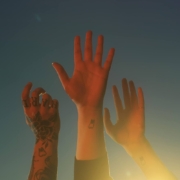
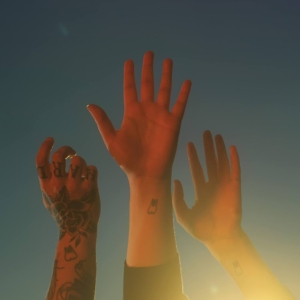
Generally speaking, the weight of an LP has no impact on the sound quality unless you have a high-end audio system. Both the width of the grooves and the RPM speed are more impactful. However, 180 gram and heavier vinyl is sturdier and will provide a longer shelf life and also be far less likely to break. Heavier vinyl is also less likely to warp, which impacts both the sound quality and the potential to damage your cartridge. Finally, heavier vinyl provides a better platform for your stylus and turntable suspension, and as a result will minimize or eliminate vibration that a higher end stereo system may pick up, albeit often at barely detectable levels. That said, the source recording and the quality of the pressing ultimately have more to do with what you hear. Many manufacturers use the 180 gram description to attract consumers, but unless you consider yourself an audiophile you shouldn’t (pardon the pun) attach too much weight to the promotional stickers that record companies slap on records to make them appear more valuable. Remember, most LPs released before CDs were either 120 grams or 140 grams, and few people complained or attached much significance to the weight a record tipped the scales at.

Part Two of this series will discuss Mobile Fidelity Sound Recordings, Japanese pressings, Discogs and ways to take care of your collection. But first I’ll be back next month with the highlights from the list of just-announced exclusive Record Store Day releases out Saturday, April 20.


Top 20 Records of 2023

2023 was another great year for music and for Paradise Found Records and Tapes. In April we celebrated our second anniversary at our Pearl Street location and in September we opened a new store in Petaluma, less than an hour north of San Francisco. A huge thanks to all of our customers in Colorado, California or wherever you are (that’s right, we ship to other states) for shopping with us and for coming in for listening parties, concerts and other in-store events. We couldn’t do it without you! We appreciate your business and we love your smiling faces! Just a reminder that both stores will have expanded hours to help you find that perfect gift or just to buy yourself some much-deserved music. We’re also having a listening party to share our favorite music of the year on Friday, December 15th at 7:15 pm. Reserve your spot now in store or by phone (303/444-1760) for $10 (which counts towards any purchase).

Here are my favorite records of the year including archival releases, along with a mention of an amazing live event. I’ve listed the new releases in alpha order, but this is the third year in a row that the first-record-by-alpha is also my best album of the year (following 2022’s Big Thief and 2021’s Courtney Barnett LPs):

Boygenius – The Record

Supergroups are typically more an excuse for famous musicians to play together than an opportunity to break new ground. The debut full-length release from boygenius, the trio first formed in 2018 by Julien Baker, Phoebe Bridgers and Lucy Dacus, is that rare instance where the sum exceeds its parts. Following up their initial EP, The Record is a sad girl supernova in which the trio largely alternate songwriting credits. But even as they take turns in the spotlight, the material brings out the best of each member and the choruses are divine. It might resonate most with twenty-somethings, but its indie-rock and folk grooves are multigenerational. The group also released a second EP, The Rest, in October. (Favorite track: “True Blue”)


Feist – Multitudes

Canada’s Leslie Feist, who goes by her last name, is nearly twenty years past the breakout fame that followed Apple’s use of The Reminder‘s “1234” in an early iPod commercial. Multitudes is just the third record she’s made in the intervening years, but it’s her best album to date, slightly ahead of 2011’s superb Metals. Written in the wake of her simultaneously becoming a parent and losing a parent, the fragile folk songs mirror the delicacy of life. The compositions are tender, sparsely illuminated songs that dissolve into nothingness or explode into lush, harmony-filled choruses like flowers bursting into bloom. (Favorite track: “Hiding Out in the Open”)


Foo Fighters – But Here We Are

The eleventh studio effort from Dave Grohl’s band carried an emotional weight not heard since the group’s debut following Kurt Cobain’s suicide. Both Grohl’s mother and best friend/bandmate Taylor Hawkins died in 2022, and here he begins to come to terms with his grief-filled year, dealing with loss while looking for strength and insight to create new art. Daughter Violet lends her chops to “Show Me How,” and Grohl resumes drum duty throughout for the first time in decades. The album’s next-to-last track, the epic “The Teacher,” is ostensibly about Grohl’s public school teacher mother, but it certainly also applies to Hawkins. It’s impossible not to be moved hearing Grohl try to blot out his dark reality by screaming “Wake up” before mournfully singing “Goodbye” over and over again at the song’s coda. Sad, stunning and powerful. (Favorite track: “The Teacher”)


PJ Harvey – I Inside The Old Year Dying
PJ Harvey’s tenth studio effort fits with the rest of her discography in her devout focus on following her muse regardless of sales potential. I Inside The Old Year Dying‘s British folk seems steeped in centuries-old lore from some dark foreboding countryside. Inspired by an epic poem she wrote entitled “Orlam,” many of the songs feature their own language while also referencing the Bible, Shakespeare and Elvis Presley. The end result is intoxicating and mysterious, a ticket into an intense, sometimes scary but ultimately rewarding journey. (Favorite track: “Lwonesome Tonight”)


Mitski – The Land is Inhospitable and So Are We
Last year’s Laurel Hell, featured Mitski channeling Abba and Motown to create her most accessible music.  Not surprisingly, it helped cement her indie diva status and led to ever-increasing crowds. Her follow-up comes after an unusually short interval and is a stark about-face that steers clear of pure pop. This is the first Mitski album to feature pedal steel since she relocated to Nashville in 2020, but that doesn’t mean it’s remotely country. She’s still struggling with how to avoid dark mental corners and find a degree of contentment, and here Mitski discovers a quieter, more reflective orchestral pop that is no less evocative even if it’s a little less welcoming. (Favorite track: “Heaven”)


Caroline Polachek – Desire, I Want To Turn Into You
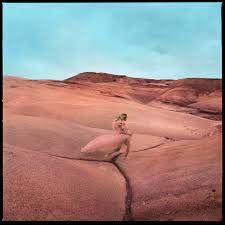
Former Buff and Chairlift member Polachek unleashes a torrent of electro-pop heaven on her fourth solo album. Desire, I Want to Turn Into You isn’t afraid to source the classics: “Welcome To My Island” steals the “hey hey hey hey’s” from “Don’t You Forget About Me,” while “Pretty In Possible” borrows liberally from “Tom’s Diner.” With veins of rock, trip-hop and electronic music pulsing throughout, Polachek’s sound is simultaneously familiar and new. Famous fans like Taylor Swift and the Haim sisters are already on board. Can the American public be far behind? (Favorite track: “Welcome to My Island”)


Margo Price– Strays

Like Caroline Polachek, Margo Price is a musician who’s been bubbling under the surface for years and is due for more widespread recognition. Price has been navigating the country and Americana worlds since 2016; her excellent 2022 memoir, Maybe We’ll Make It, told of her struggle to find her audience. Strays, her fourth studio album, is her most mature to date. It may have been conceived under the influence of psychedelics, but it showcases the most wide-ranging songwriting skill of her career. With the help of friends including Sharon Van Etten and Mike Campbell of Heartbreakers fame, the record rocks hard at times (“Been to the Mountain”) but also includes radio-friendly grooves (“Radio”), longer story-songs (“County Road”) and deeply personal, solo folk (“Lydia”). Price released Strays II, a follow-up of additional tracks from the sessions, last month. (Favorite track: “Radio”)


Vampire Weekend – Frog On The Bass Drum Vol. 01
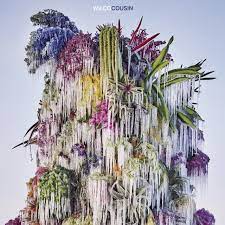
If you weren’t lucky enough to see and jump on the email announcement, you missed out on Vampire Weekend’s first live album, available only through their fan site and gone inside an hour. But what a gift for those lucky enough to get a copy: the record included the rare B-side “Ladies of Cambridge,” an extended take on “M79” from their debut, a rendition of “Pizza Party” from Ezra Koenig’s first band L’Homme Run, and best of all, ten glorious minutes of the group covering Bob Dylan’s “Jokerman,” from his oft-overlooked eighties gem Infidels. (Favorite track: “Jokerman”)


Wilco – Cousin

Wilco’s response to the pandemic was to hunker down in their Chicago loft and create Cruel Country, a double album call back to their earlier alt-country days. Their follow-up is more of the alt-rock territory they’ve been travelling since Yankee Hotel Foxtrot. Produced by Cate Le Bon and recorded both pre- and post-pandemic, Jeff Tweedy re-embraces dissonance and noise on Cousin, and in the process continues the band’s resurgence nearly three decades after their debut. (Favorite track: “Meant To Be”)


Lucinda Williams – Stories From a Rock’n’Roll Heart
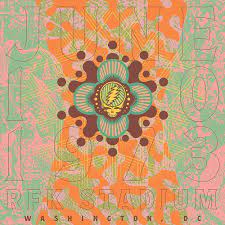
How strong is Lucinda Williams’ artistic will? In the wake of a 2020 stroke, she put a series of tribute albums to the Rolling Stones, Tom Petty, and Bob Dylan among others, followed by Don’t Tell Anybody The Secrets I Told You, her revealing memoir released in April. For the first LP of new material since her recovery, she recruited Bruce Springsteen, Angel Olsen and Margo Price. The end result doesn’t reach for the emotional depths of her finest work, but that doesn’t make its hard-rocking selection of tracks any less vital. A worthwhile addition to a substantive discography. (Favorite track: “New York Comeback”)

The next six: Margo Cilker – Valley of Heart’s Delight; Peter Gabriel — I/O; Rhiannon Giddens – You’re the One; Jenny Lewis – Joy’All; Paramore — This is Why; Chris Stapleton – Higher


Top Four Archival Releases of the year: 

Grateful Dead – RFK Stadium, Washington, DC 6/10/73
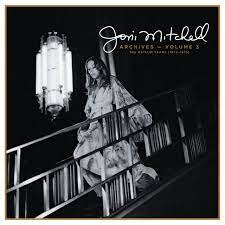
Does any other band mine its archives as frequently as the Grateful Dead? There was no shortage of material to pick from in 2023, but the highlight was this 8LP box of one of the group’s most famous shows, a coheadlining turn with the Allman Brothers from 1973. Through four and a half hours (!), the Dead offer classics, new material and songs in early forms: “Wave That Flag” became “US Blues” and “They Love Each Other” evolved into a shuffle on Jerry Garcia’s Reflections. The highlight–not including the nearly-thirty-minute “Dark Star”–is the lengthy jam at the end that finds the Dead and Allmans combining for strong covers of Bob Dylan, Buddy Holly, Arthur Crudup and Chuck Berry classics. The joyful sound of Jerry Garcia and Dickey Betts sparring on lead guitar should be required listening for jam band aficionados. (Favorite track: “It Takes A Lot to Laugh, It Takes a Train to Cry”)


Joni Mitchell – Archives, Vol. 3: The Asylum Years 1972-1975
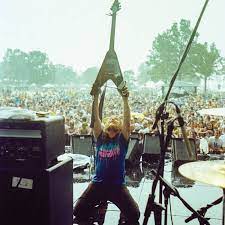
Blue might be Joni Mitchell’s most famous album, but her growth in the years that followed was no less impressive as she moved in a jazz-focused direction without sacrificing her ear for melody or confessional songwriting. The latest edition of her Archives series digs deep into her richest period, when she created Court and Spark, her biggest selling album, and The Hissing of Summer Lawns, its follow-up. There is so much to love about the unreleased tracks from this period: revised takes of “Raised on Robbery” with, alternately, Graham Nash and Neil Young, a long piano medley of Court and Spark tracks, and revealing mid-seventies concerts including a solo Joni from Carnegie Hall and one with the L.A. Express supporting her in Los Angeles. Nirvana for Joni Mitchell lovers. (Favorite track: “Help Me”)


My Morning Jacket – Live Vol. 3: Bonnaroo 2004
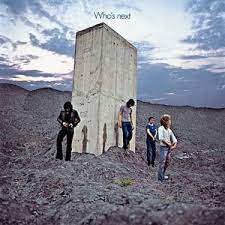
Nearly twenty-five years after their debut, My Morning Jacket have cemented their status among the jam band crowd and southern rock fans; they mix up their setlists as well as anyone and can turn any song into a long, inspired exploration. This release is of one of the band’s most famous shows, which took place in the pouring rain and burnished their reputation as a live act. The group plays most of It Still Moves, the third and still best album in a career of exceptional work. Previously only available digitally, this 2LP set is a great introduction to the band and includes powerful versions of MMJ gems “Phone Went West” and “Steam Engine.” (Favorite track: “Steam Engine”)


The Who – Who’s Next/Life House

The Who are one of the defining acts of classic rock, and perhaps no Who album is more beloved than Who’s Next, the masterpiece bookended by “Baba O’Riley” and “Won’t Get Fooled Again.” Two years past its fiftieth anniversary, Pete Townsend finally got around to releasing the treasure trove of demos and outtakes that started as a rock opera called Life House before ultimately becoming the less thematically ambitious Who’s Next. Through 155 tracks–89 never released before–this box chronicles an artist struggling to convert his vision into reality while following-up another landmark, Tommy. For background, the box contains a 172-page graphic novel of the story Townsend was trying to tell, a prescient narrative which foretold the Internet and the hive mind. (Favorite track: “Teenage Wasteland”)


Best Live Show of the year: U2:UV at The Sphere, Las Vegas

It’s so rare when something so overhyped exceeds expectations, but U2’s ongoing residency at the new, orb-shaped venue in Las Vegas scores on all levels. Presenting the group’s innovative 1991 Achtung Baby album, which somehow managed to top the 1987 Joshua Tree LP that made them global superstars, the band makes the most of the venue’s incredible technology. I’ve never heard a better sounding concert, and yet there wasn’t a single speaker in sight. Roughly speaking, the show was 33% bare bones musical presentation, 33% music with images of the band performing in startling depth and clarity at massive projection sizes, and 33% jaw-dropping, overwhelming and unforgettable visual effects. Tickets may be pricey and hard to get, but U2:UV is well worth it both for fans of the band and lovers of the live music experience. See it if you have the chance before the residency wraps up in early March.