
Music is Life: Top Ten Bucket List Concert Venues
When you get to my age (read: old), you start focusing more on special experiences. With that in mind, and with a nod to the late Rob Reiner for coining the phrase “bucket list” (in service of the mediocre 2007 Jack Nicholson-Morgan Freeman film), here is a list of the ten concert venues every music lover should experience before they die. These are listed in alphabetical, not ranked, order:
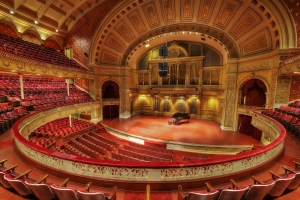 Carnegie Hall (New York, NY, capacity 2790)
The Big Apple’s most treasured concert hall isn’t just known for its stellar acoustics. Since 1891 Carnegie Hall’s ornate design, with its beautiful mezzanine and wraparound tiers lining the upper sides, has been the template for many a new auditorium. With its small capacity and aural excellence, Carnegie Hall has been the gold standard for over a century, both for performers and audiences (don’t ask me how to get there; you know the answer). Those unfamiliar can get a good look in P.T. Anderson’s new film of Geese member Cameron Winter’s solo shows recorded there in late 2025, in theaters this month.
The Fillmore (San Francisco, CA, capacity 1315)
Most people know The Fillmore through the many famous acts that played there after Bill Graham started booking it in the sixties, but the ballroom-style venue, replete with chandeliers and a SRO balcony ringing the floor, has a more storied history. Starting in 1912, The Fillmore (first called the Majestic Hall and Academy of Dancing) played host to each new musical trend as it came and went, and was the center of a thriving African-American neighborhood and jazz scene before “redevelopment” targeted minority communities and destroyed much of the Western Addition’s charm. Graham saved it from obscurity, although it languished for over a decade before reopening in the mid-eighties . More recently operator Live Nation has been using the name for venues all over the USA, but nothing tops the original: free apples at the top of the steps, free posters for the first few hundred that exit after each show, and walls lined with pics and placards from concerts over the years.
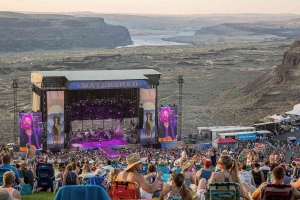 The Gorge Amphitheatre (George, WA, capacity 27500)
The second-newest venue on this list may be the most spectacularly beautiful. Built on a hillside in Eastern Washington State overlooking the Columbia River, The Gorge opened in 1986 to rapturous reviews. Its breathtaking views and remote location require extra effort to visit. The closest large city, Seattle, is three hours away. Indeed, with the exception of one pricey hotel next door, the nearest hotels are an hour away, meaning the majority of visitors generally camp onsite. Getting in and out may be a hassle–there is only a single one-lane road to the facility–but no one who goes to the trouble of venturing there comes back without raving about the unique fun to be had from experiencing music in such a stunning setting
Hollywood Bowl (Los Angeles, CA, capacity 17500)
The Hollywood Bowl may be one of the largest venues on this list, but that doesn’t mean it’s lacking in cache. With the Hollywood sign looking down from the hillside behind it and big screens to ensure that even those in the cheap seats can see what’s happening on stage, this is the most historic place to see music in Southern California owing to its 1921 opening date. Parking may be a hassle; rideshare services or public transit are strongly encouraged, as the only lots within walking distance stack cars in such a way that no one can leave until the owner of the last car in returns to their vehicle. But visitors are more than placated by the stellar sound and the killer view; like many venues that offer symphonic performances each summer, there are multiple boxes in front of many sections for more comfortable (albeit expensive) seating.
The Melkweg (Amsterdam, NL, capacity 1500)
Amsterdam’s Melkweg (translation: Milky Way) is much more than just a club. It is a multi-media center that includes four small venues, a movie theater, a restaurant, and an exhibit hall. Once upon a time the venue, which opened in 1970, also featured a table in the back where hash and marijuana were for sale, but those substances can now be bought at many coffee shops throughout town. Regardless, the Melkweg is a cultural center and a place unlike any other you’ll visit, and it hosts mid-level and local bands throughout the year. Amsterdam is also a charming, special city with much to offer while also being small enough to get around easily,
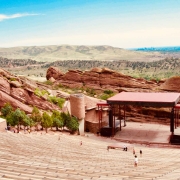
Red Rocks Amphitheater (Morrison, CO, capacity 9525)
You might be familiar with this one: our very-own natural amphitheater which has been drawing visitors from around the globe since 1941. Oh sure, you can go watch the sunrise there for free, but it’s no mystery why so many people travel so far to see a Red Rocks show. Between the view of Denver and western plains and excellent sound, especially in the front 2/3rds of the rows, Red Rocks never disappoints. Be sure to check out the list of everyone that’s ever played there in the Visitor Center up top, and don’t forget to bring a raincoat and sweater regardless of the forecast; it’s always easy to spot the newbies as they freeze and/or get drenched when the inevitable storm fronts roll through.
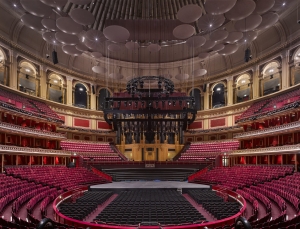 Royal Albert Hall (London, England, capacity 5272)
The oldest venue on this list has been hosting music since before amplification existed. Opened in 1871, London’s most iconic concert hall–no small feat–is round and offers multiple levels and viewing perspectives, including semi-private stalls that make it easy to imagine one is seeing a 19th century opera. With superlative sound and sightlines that offer good viewpoints for every seat in the house, the RAH (as Brits call it) still thrives and hosts all kinds of music. Like the other venues on this list, Royal Albert Hall is as much a treat for those onstage as it is for those in the audience. 5000+ capacity venues don’t get any more intimate than this.
Ryman Auditorium (Nashville, TN, capacity 2362)
The “Mother Church,” so-called in part because the seating comes in the form of church pews, helped birth country and bluegrass music after its 1892 debut. The Grand Ole Opry beamed into households across the South and Midwest for decades from here before it relocated in 1974, but the Ryman still hosts a full slate of acts year-round, many of whom perform at a volume unimaginable in the 19th century. The Ryman also offers self-guided tours during the day that include display cases filled with country and bluegrass artifacts (the cases are covered during shows). Play your cards right and you might be able to see that night’s act doing their soundcheck during your tour.
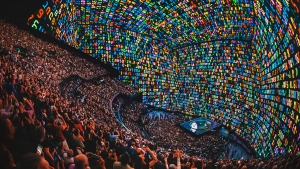 The Sphere (Las Vegas, NV, capacity 20000)
The newest venue on this list–it opened in 2023 with a forty show U2 run–is unsurprisingly the most state-of-the-art when it comes to modern acoustic technology. With a massive screen and speakers built into the seats, along with arched seating in front of its small stage, The Sphere offers a club-like atmosphere on the GA floor and “cheap” seats that get you closer than you’ll ever get from the cheap seats at any hockey arena in the world. Because of its massive screen, The Sphere’s visuals run the risk of overshadowing whomever’s performing. Most acts deal with this challenge by mixing graphics with stunning live video of the headliners to make sure the audience’s attention is largely focused on the stage. Anyone loving the concert experience will be overwhelmed by a visit; a revamped The Wizard of Oz plays when concerts aren’t scheduled.
Tipitina’s (New Orleans, LA, capacity 800)
The smallest club on this list is in America’s most musical city. Since 1977 “Tip’s” has been hosting the best Crescent City acts plus many other well-known musicians that make sure to include New Orleans on their tour itineraries. NoLa legends like Professor Longhair (whose song gave the club its name), Fats Domino, the Radiators and the Neville Brothers headlined regularly back in the day, but regardless of the performer, Tipitina’s is a must-visit before you make that late-night run to Cafe Du Monde for some steaming-hot beignets. If you’re wondering where the banana in the club’s logo came from, once upon a time a juice bar was onsite. Since 2018 Tip’s has been owned and operated by New Orleans funk mavens Galactic, who regularly play there.
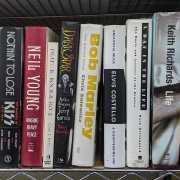
 Kathleen Hanna–Rebel Girl: My Life as a Feminist Punk
 Ian Leslie–John & Paul: A Love Story in Songs
 Ozzy Osbourne–Last Rites
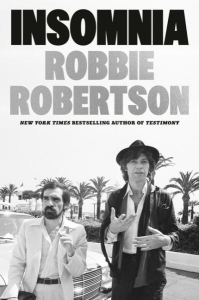 Robbie Robertson–Insomnia
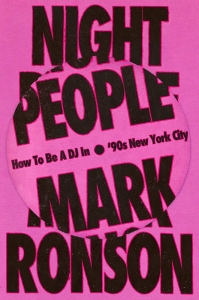 Mark Ronson–Night People: How to Be a DJ in ‘90s New York City
 Patti Smith–Bread of Angels
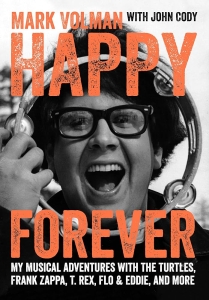 Mark Volman–Happy Together: My Musical Adventures with The Turtles, Frank Zappa, T. Rex, Flo & Eddie, and More
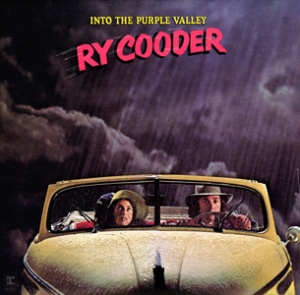 Ry Cooder–Into the Purple Valley (1972)
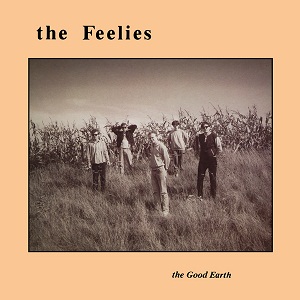 The Feelies–The Good Earth (1986)
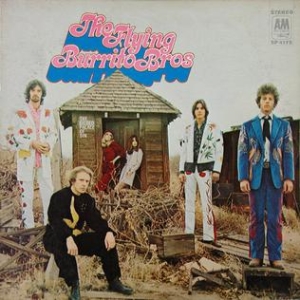 The Flying Burrito Brothers–The Gilded Palace of Sin (1969)
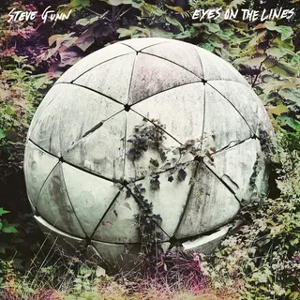 Steve Gunn–Eyes on the Lines (2016)
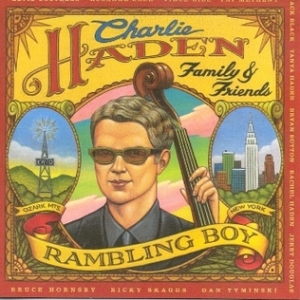 Charlie Haden Family & Friends–Rambling Boy (2008)
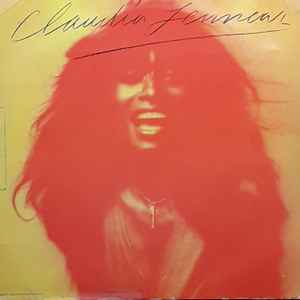 Claudia Lennear–Phew! (1973)
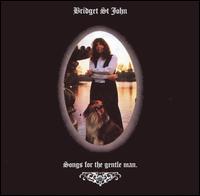 Bridget St. John–Songs for the Gentle Man (1971)
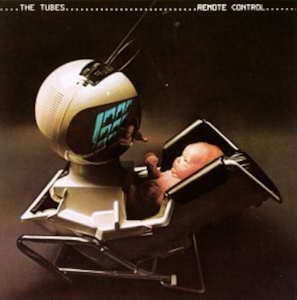 The Tubes–Remote Control (1979)
 Various Artists–Hank Williams: Timeless (2003)
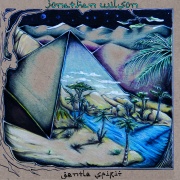 Jonathan Wilson–Gentle Spirit (2011)
 Welcome to the latest edition of the Paradise Found Records blog. A couple of years back I shared some of my
  Several things set Japanese pressings apart from records manufactured in other countries. Perhaps the most important is audio quality, which may be subjective but is still widely acknowledged. I have multiple records from the Original Master Recordings series by Mobile Fidelity Sound Labs produced by Analogue Productions. As much as I love how many MoFi’s sound, Japanese presses often sound better. I am mostly referring to Japanese albums made before 1990; since then there are fewer differences between records manufactured in the USA and Japan.
 A second reason Japanese vinyl sounds better is because the music is mixed differently. Because such a high percentage of Japanese record buyers live in apartments, audio engineers make the records brighter, reducing some of the bass/low end and boosting the mid- and high-ranges (you can always raise the bass level to compensate). Of course your results and ears may vary, but I find it easy to tell the difference when comparing Japanese to non-Japanese editions. In a handful of instances, including Fleetwood Mac’s Rumours and Tusk and Some Girls by the Rolling Stones, the US stampers were used at the Japanese pressing plant with the higher quality vinyl, and the sound is noticeably better. The lack of background hiss and surface imperfections makes for an ideal listening experience.
 Obi’s are also desirable because of the implied condition of the vinyl. It’s safe to say that anyone who took special care to keep an obi in pristine shape did the same thing with the record itself, since it’s very easy for an obi to get torn or abused with repeated use. Foxing, rust-colored spots on printed materials that can develop over time as a result of oxidation and humidity, is inevitable unless a record is stored the best way: in plastic liners, shelved (not stacked) in a location without high humidity or extreme temps. A well-treated obi is a well-treated record, as close to new as you can get once the seal has been broken.